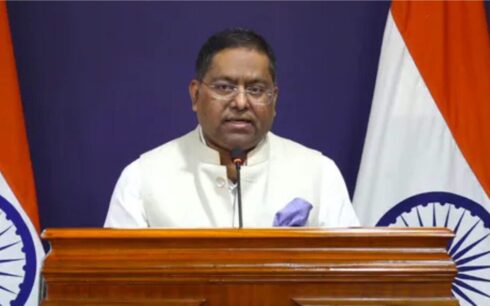
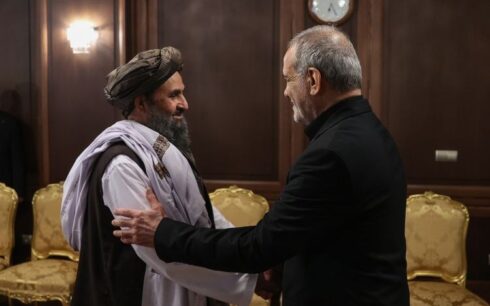
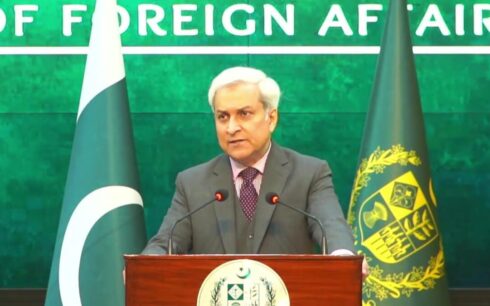
The UN General Assembly on Monday overwhelmingly approved an 11-page resolution on the situation in Afghanistan. The final vote was 116 in favor, 2 against—and notably, the US stood alone among major Western powers voting no, while countries in the region, including Russia, China, India and Iran abstained.
The resolution, tabled by Germany, Ireland and Sweden, incorporates findings from UN Security Council directives, the Secretary‑General’s reports, and the UN Special Rapporteur’s assessments. It delivers an unusually strong rebuke of Taliban-era policies that restrict education, employment, NGO activity, and freedom of movement for women and girls—describing these actions as “severe, widespread, systematic and worsening.”
The UN demands the Taliban reverse policies excluding women and girls from schools, workplaces, healthcare, politics, and public spaces.
The resolution emphasizes that meaningful involvement of women in society is essential for peace, development, and stability.
With millions of Afghans in dire need, especially women and children, donors are urged to deliver assistance promptly and without obstruction.
The resolution condemns censorship and violence against media workers and human rights defenders, calling for safeguards for free speech and access to information.
Promote accountability: It calls for investigations and prosecutions of extrajudicial killings, arbitrary detentions, enforced disappearances, and other serious abuses.
Ensure safety for aid workers and diplomats: The Taliban are urged to guarantee the protection of international staff delivering critical humanitarian services.
The Assembly expressed concern over the presence of ISIS, Al Qaeda, the Pakistani Taliban, and other extremist groups in Afghanistan, calling on the Taliban to prevent the country from serving as a terrorist haven.
The resolution encourages Afghanistan to adopt a comprehensive plan to protect civilians and minority communities.
It condemns growing methamphetamine and opium production, urges reinstatement of opium bans, and calls on global support for alternative farming strategies in rural regions.
The resolution stresses that a sustainable future in Afghanistan hinges on forming an inclusive government capable of representing all societal groups. It urges renewed intra-Afghan dialogue and meaningful political participation, marking a clear call for a roadmap toward reconciliation and reconstruction.
The decisive passage of the resolution underscores widespread international support for condemning abuses by the Taliban. The U.S. “no” vote—contrasting with a broad Western consensus—may be tied to concerns about enforceability or diplomatic strategy. Meanwhile, abstentions by key regional actors highlight geopolitical caution.
Nevertheless, the resolution stands as a strong testament of international solidarity with Afghan civil society and human rights, setting the stage for increased scrutiny and collective action.