The overthrow of Afghanistan’s monarchy in 1973 ushered in the country’s first republic and reshaped its political trajectory, a legacy that remains contested more than five decades later.
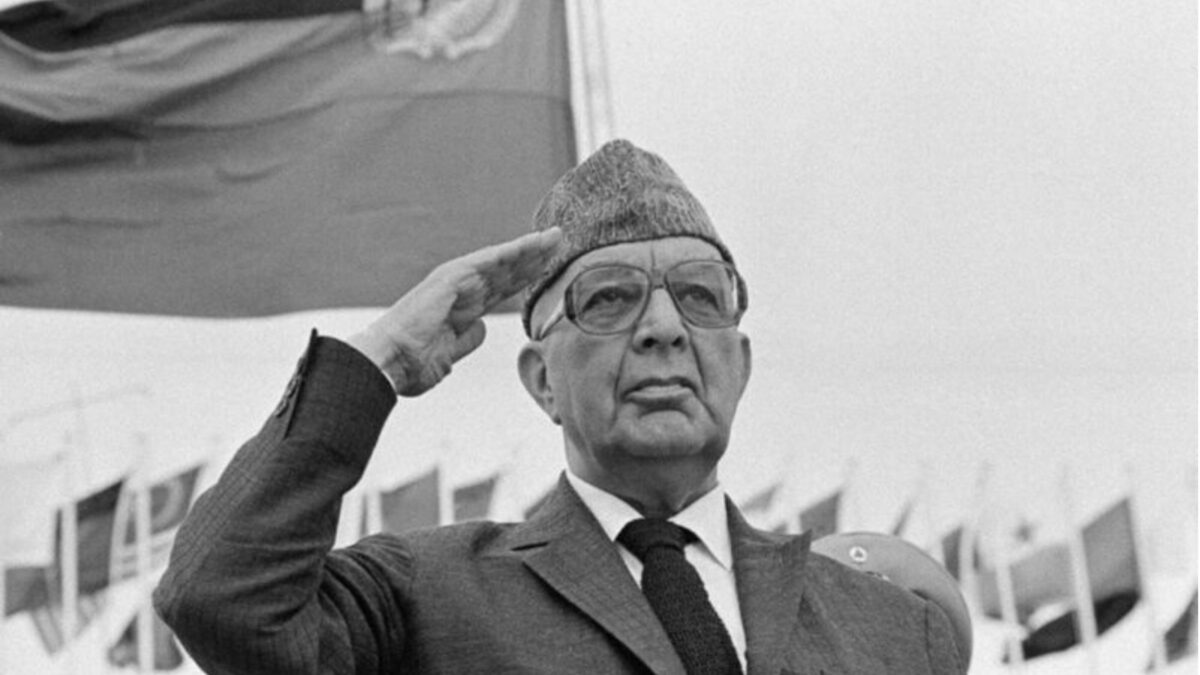
Afghanistan on Friday marked the 53rd anniversary of the July 17, 1973, coup that ended the country’s centuries-old monarchy and established its first republic under Mohammad Daoud Khan—a turning point that historians say fundamentally altered the country’s political course.
More than half a century later, Afghanistan is once again governed under a different political system, with the Taliban in power, prompting renewed debate over the legacy of the coup and its long-term consequences.
Daoud seized power on July 17, 1973, while King Mohammad Zahir Shah was in Italy receiving medical treatment. Backed by elements of the military, Daoud overthrew the monarchy with little resistance and declared Afghanistan a republic. Zahir Shah later abdicated from exile, bringing more than four decades of royal rule to an end.
Habibullah Safi, a Kabul resident who remembers the events, recalled hearing explosions around the presidential palace.
“We were watching from above when they attacked the Arg,” he said. “We were very frightened. We could hear artillery, gunfire and aircraft carrying out bombardments.”
Daoud’s government initially promised political and economic reforms, infrastructure development and greater national independence. During the early years of his presidency, his administration worked with members of the People’s Democratic Party of Afghanistan (PDPA) while pursuing modernization programs, including expanding industrial projects and increasing women’s participation in public life.
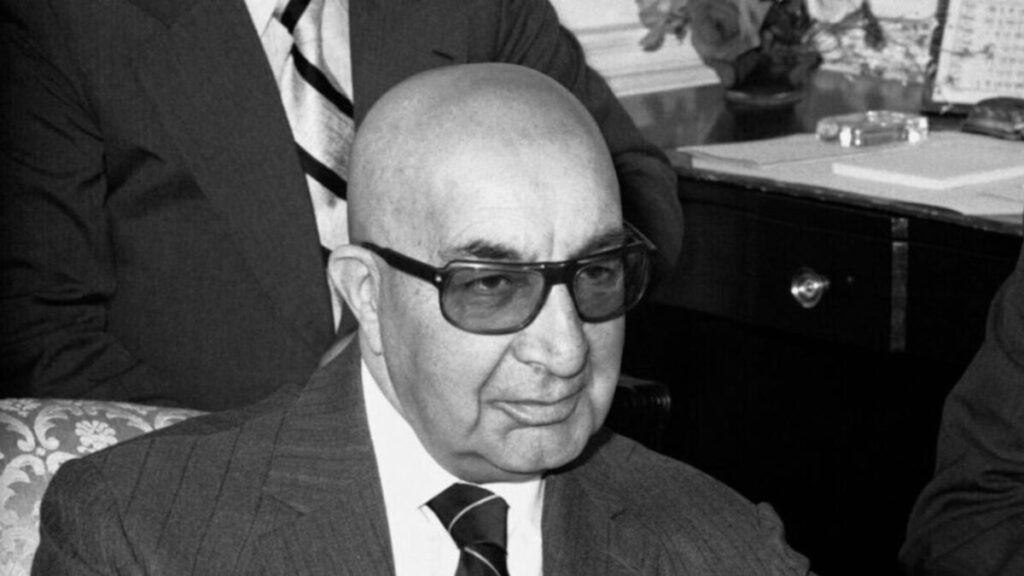
But historians say Daoud later distanced himself from the PDPA and sought closer relations with regional countries, including Iran and Saudi Arabia, while attempting to reduce Afghanistan’s dependence on the Soviet Union. The shift strained relations with Moscow and deepened political tensions at home.
By the spring of 1978, Daoud’s government had arrested several senior PDPA leaders, further escalating the confrontation between the government and the party.
Shah Sultan Akefi, a former Afghan cultural attaché in Russia, said the 1973 coup established a precedent for changes of power through military intervention.
“In my view, Daoud Khan’s coup opened the way for the transfer of power through coups,” he said, adding that Daoud also sidelined many of the intellectuals and political figures who had initially supported him.
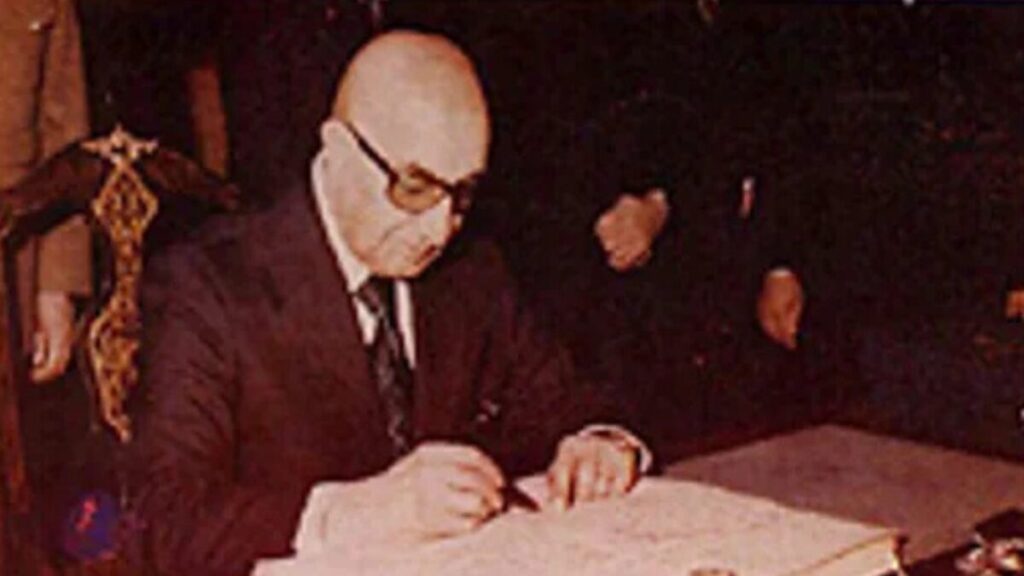
Just months later, on April 27, 1978, the PDPA overthrew Daoud’s government in the Saur Revolution. Daoud and 18 members of his family were killed inside the presidential palace, ushering in a new period of communist rule, Soviet intervention and decades of conflict that transformed Afghanistan’s modern history.
Today, the legacy of the 1973 coup remains the subject of differing interpretations. For some, it represented an attempt to modernize Afghanistan and break with the monarchy. For others, it marked the beginning of an era in which political power increasingly changed hands through force, contributing to decades of instability that continue to shape the country.