Iranian visas are being sold on the black market in western Afghanistan for between 70,000 and 150,000 afghanis (roughly $1,050 to $2,260), according to Amu’s findings, as the suspension of several categories of visas has fueled demand and created opportunities for brokers.
The surge in prices has left many Afghans, particularly laborers seeking work in Iran, unable to afford legal travel.
Mohammad Nader, a resident of the western province of Badghis, said he had previously entered Iran through irregular routes but now hopes to travel legally because crossing the border has become increasingly dangerous.
He said the price of a visa, however, is far beyond his means.
“If I had 100,000 afghanis (about $1,500), I would invest it here,” he said. “I would open a small shop or buy a three-wheeled vehicle. I honestly don’t know what to do.”
Sources familiar with the visa process told Amu that Iran has temporarily suspended the routine issuance of tourist, work and medical visas for Afghan citizens. They said visas are currently being issued only to some business travelers and patients referred by hospitals approved by Iranian authorities.
According to the same sources, the restrictions have fueled a thriving black market in Herat, where intermediaries and organized networks allegedly sell visas at inflated prices.
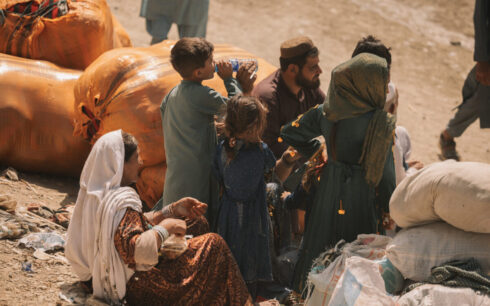
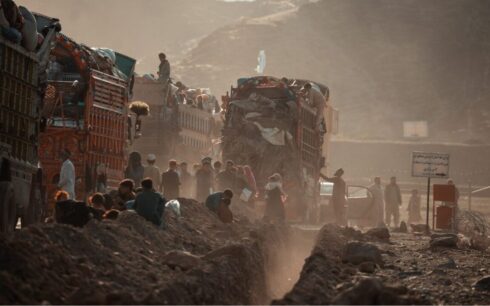
Many Afghans recently deported from Iran say they have little choice but to return because of unemployment and economic hardship at home, but say they cannot afford the cost of obtaining a visa through unofficial channels.
“I have been unemployed for six months,” said Mohammad Nasser, another resident of Badghis. “I have nothing to eat. I have to go to Iran, but I don’t have the money to buy a visa.”
Another resident, Sahib Khan, said the prices were out of reach for ordinary families.
“Iranian visas are being sold for enormous sums,” he said. “We struggle to buy food. How can we afford a visa at these prices?”
Iran remains one of the principal destinations for Afghan migrant workers. But recent regional tensions, including the conflict involving Iran, Israel and the US, have disrupted parts of Iran’s consular services, including the issuance of several visa categories.
As Afghanistan’s economic crisis and unemployment persist, many Afghans say they continue to seek work across the border. For many, however, the soaring cost of visas has become another obstacle to legal migration.