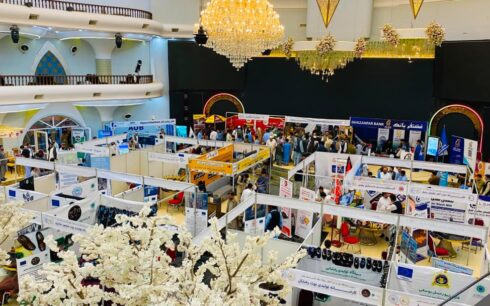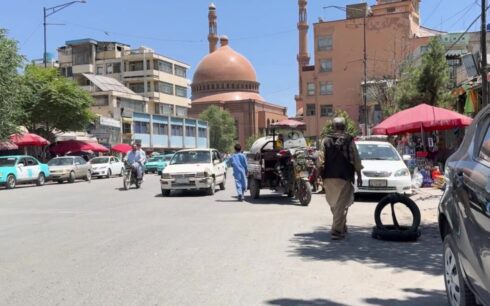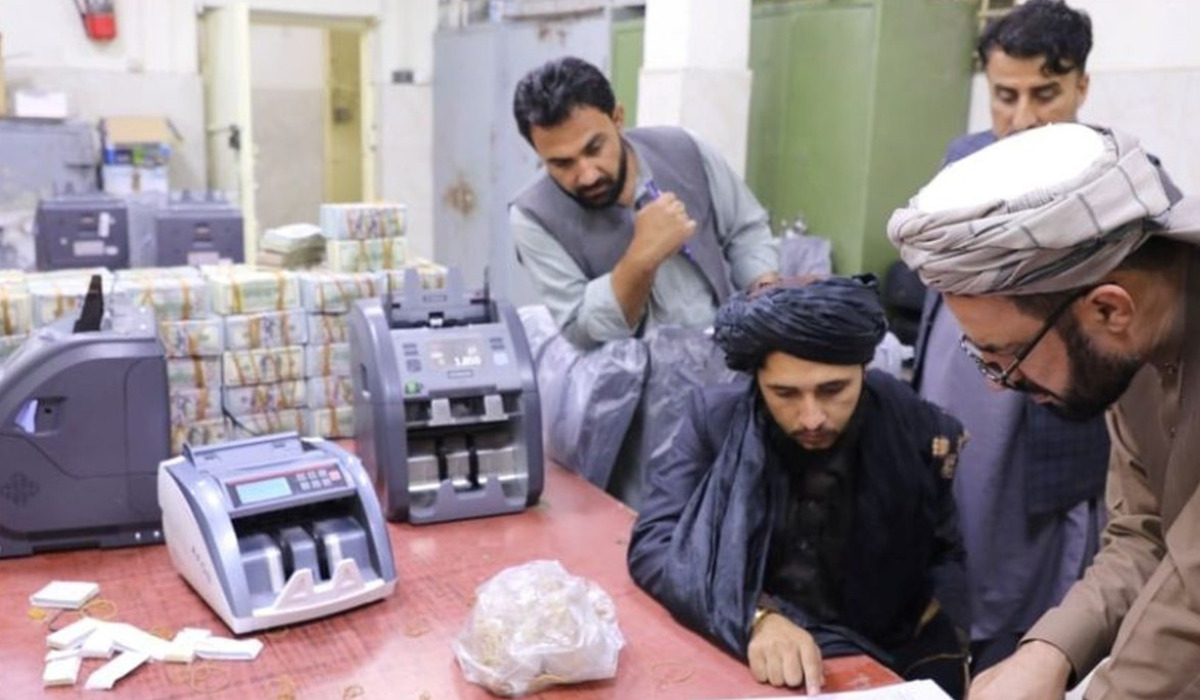
Taliban have announced a series of tax cuts for businesses and individuals, saying the measures are intended to ease the tax burden and improve compliance, even as their administration continues to provide little public information about how it spends state revenue.
Abdul Salam Hanafi, the Taliban’s deputy chief minister for administrative affairs, said corporate income tax would be reduced from 20 percent to 10 percent.
He also announced that individuals earning up to 120,000 afghanis annually would be exempt from income tax, while the tax on transfers of movable and immovable property would be cut from 1 percent to 0.5 percent.
“Companies that previously paid 20 percent tax will now pay 10 percent,” Hanafi said. “Everyone should be part of the system and register with the Ministry of Finance.”
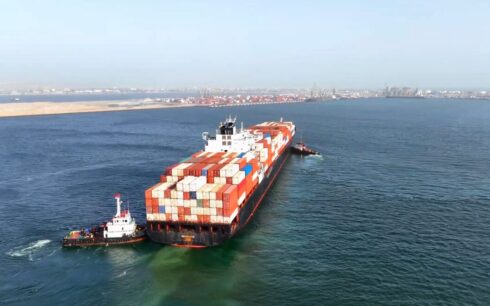
The Taliban also introduced new taxes for companies involved in importing, storing and wholesale distribution of fuel.
Under the new regulations, companies that store imported petroleum products will pay 50 afghanis per metric ton. Annual taxes on fuel distributors will range from 25,000 afghanis for fourth-tier distributors to 100,000 afghanis for first-tier wholesalers.
Taliban finance minister Mohammad Nasser Akhund said tax revenue now finances virtually all government expenditures.
“Today, your tax payments cover the expenses of the defense forces, security forces, intelligence agencies, ordinary government operations and development projects,” he said.
Taliban have increasingly emphasized domestic revenue collection since returning to power in August 2021, as international budget support has largely disappeared.
Despite that shift, Taliban have not published a comprehensive national budget or detailed public accounts showing how tax revenue is allocated, limiting public scrutiny of internal spending.
Behram Ramesh, an economist, said greater transparency is essential to maintaining public confidence.
“The key issue is transparency,” he said. “If people do not know how tax revenues are being spent, public trust declines and the risk of corruption increases.”
In addition to collecting taxes, Taliban have expanded the collection of ushr and zakat, two Islamic levies.
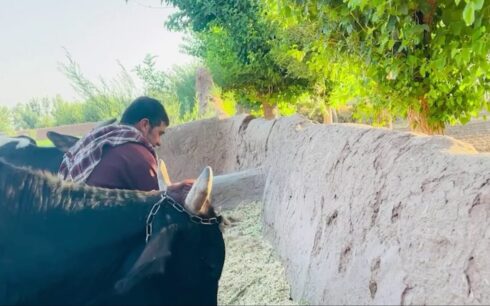
A 2023 report by the US Special Inspector General for Afghanistan Reconstruction (SIGAR) said the Taliban’s Ministry of Agriculture oversees the collection of ushr, a 10 percent levy on agricultural production. Farmers in several provinces have also reported that the Taliban collect one-tenth of crops such as wheat, onions and potatoes as ushr.
While Taliban say stronger domestic revenue has allowed their administration to fund its operations without foreign financial assistance, economists argue that publishing detailed budget information would improve accountability and strengthen public confidence in Afghanistan’s fiscal management.