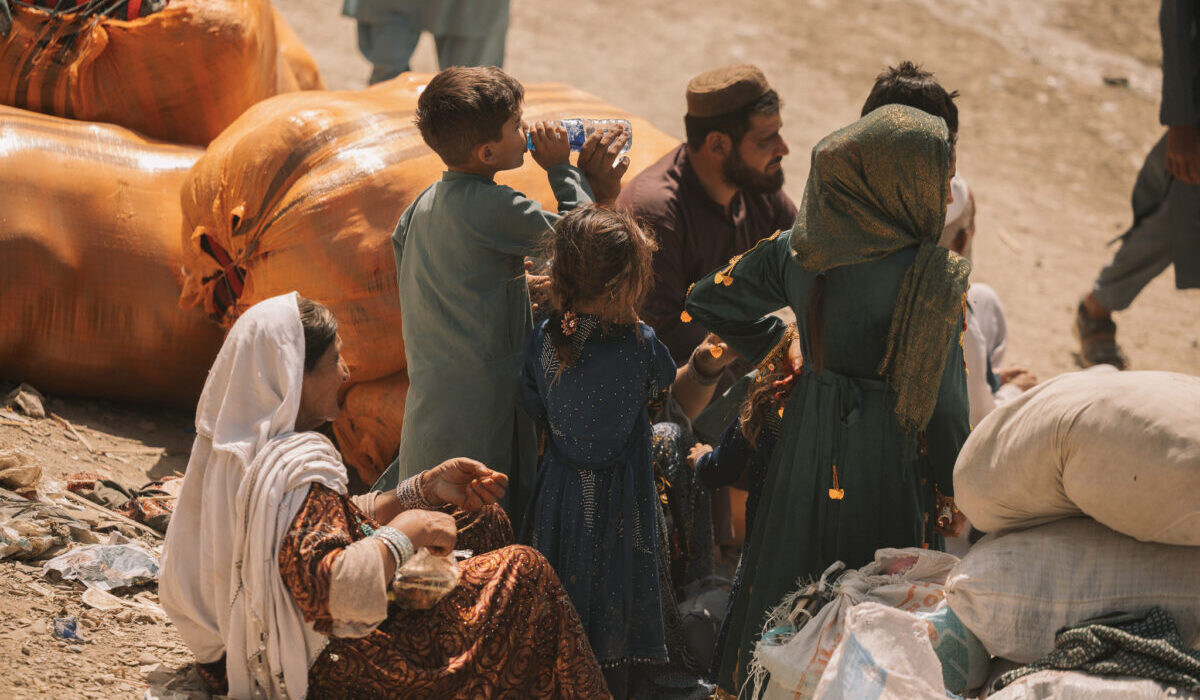
Pakistan on Friday began enforcing a new order to identify, arrest and deport Afghans without valid visas, as migrants in Islamabad reported increased police checkpoints and intensified document inspections.
The enforcement drive follows an order issued by Pakistan’s Interior Ministry more than 10 days ago to provincial governments, special administrative regions and authorities in the Islamabad Capital Territory. The directive instructed local officials to accelerate the identification, detention and deportation of Afghans without valid visas.
The measure has heightened anxiety among Afghans in Pakistan, including refugees and asylum seekers who say they fear arrest and forced return to Afghanistan.
Several Afghans in Islamabad told Amu that police checkpoints had increased on Friday and that identity and immigration documents were being inspected more frequently.
The enforcement campaign comes as returns to Afghanistan from Pakistan are already rising. According to figures from the Taliban’s commission overseeing returnees, over 8,400 migrants have been deported in the past three days, including 2,940 individuals on Thursday, July 9. The migrants have returned through the Torkham and Spin Boldak crossings.
Mohammad Khan Talibi Mohammadzai, a migrant rights activist, warned that large-scale deportations carried out without safeguards could worsen humanitarian pressures and contribute to regional instability.
“Mass deportations without adherence to international legal standards and adequate planning could deepen existing crises,” he said.
Human rights advocates have also warned that women and children face particular risks upon return to Afghanistan, where the Taliban have imposed sweeping restrictions on women and girls, including bans on secondary and university education.
Muzhda Qasemi Stanekzai, a human rights activist, said returning families could face poverty, homelessness and inadequate access to health care and education.
“Women and girls also face severe restrictions on education and social freedoms after returning,” she said.
Some Afghan refugees and asylum seekers in Pakistan appealed to the Pakistani government and international organizations for protection, saying they had fled Afghanistan because of threats and restrictions after the Taliban returned to power in August 2021.
“We did not flee Afghanistan because we did not love our country,” one Afghan asylum seeker in Pakistan said. “We were forced to leave our homes and our country because of fear, restrictions and the conditions that overshadowed the lives of millions of Afghans after the Taliban took power.”
Another asylum seeker said he had left Afghanistan with his family after receiving threats from the Taliban and had spent four years in Pakistan in uncertainty and fear of deportation.
“Returning to Afghanistan could expose us to serious threats to our lives, freedom and security,” he said.
Pakistan has been carrying out a broad campaign to remove Afghans and other foreign nationals without legal permission to remain in the country. Islamabad has defended the policy as an enforcement of immigration laws and a measure necessary for national security.
The campaign has drawn criticism from the United Nations and human rights organizations, which have warned that forced returns could place vulnerable Afghans at risk and further strain Afghanistan’s limited capacity to provide housing, jobs and basic services.
According to figures cited by Pakistan’s Interior Ministry and the United Nations refugee agency, more than 1.1 million Afghans have returned from Pakistan since the beginning of 2025. United Nations figures also show that nearly 2.4 million Afghans returned from Pakistan between September 2023 and the end of May 2026.
The latest enforcement drive comes as Afghanistan is struggling to absorb large numbers of returnees from both Pakistan and Iran. Aid agencies have warned that declining international funding, widespread poverty and limited employment opportunities are placing growing pressure on returnees and the communities receiving them.
For Afghans still in Pakistan without valid visas, Friday’s enforcement order has added urgency to an already precarious situation, with migrants in the capital reporting tighter checks and growing fears that arrest could lead to immediate deportation.