Taliban on Tuesday announced the approval of a five-year plan to expand electricity generation and transmission in Afghanistan, a country that imports about 80 percent of its power and continues to struggle with shortages and an unreliable grid.
The office of Abdul Ghani Baradar, the Taliban’s deputy chief minister for economic affairs, said the plan had previously been approved by the Taliban’s Economic Commission and was now endorsed by the Taliban’s supreme leader, Hibatullah Akhundzada.
According to the statement, the plan includes 25 electricity-generation projects using domestic resources, including hydropower, solar, wind and coal.
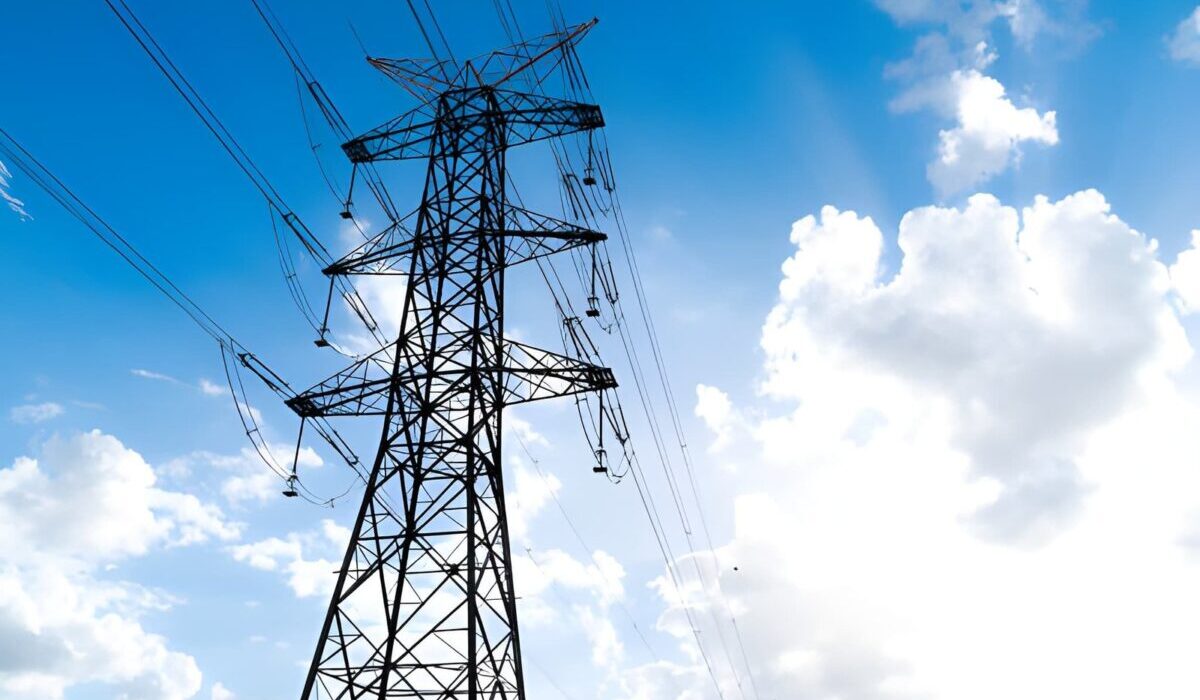
It also calls for completing 13 unfinished projects and launching 23 new projects to expand transmission lines. In addition, the plan includes the completion of 21 unfinished substations, construction of 21 new substations and 34 electricity-distribution projects.
The statement did not disclose the plan’s total cost, financing sources, expected generation capacity or a detailed timetable for individual projects. It said the program was intended to expand the energy sector, strengthen economic development and reduce dependence on imported electricity.
Afghanistan remains heavily dependent on electricity from its neighbors. The United Nations Development Programme said in June that the country imports about 80 percent of its electricity, with more than 90 percent of those imports coming from Central Asian countries and the remainder from Iran.
Recent figures cited by regional energy reporting put domestic generation at about 250 megawatts and imports at roughly 800 megawatts from Uzbekistan, Tajikistan, Turkmenistan and Iran. Taliban energy officials have said Afghanistan would need 6,000 to 7,000 megawatts to meet broader domestic demand, and as much as 10,000 megawatts if industrial activity expands significantly.
The gap between supply and potential demand has left Afghanistan vulnerable to interruptions in imported power and chronic shortages. In Kabul, the level of service varies by season and by disruptions to transmission lines. Residents have repeatedly reported extended daily outages; during the summer of 2025, some said they were without electricity for more than eight hours a day.
The Taliban have announced several large energy initiatives in recent years, though many remain under construction or in early stages. Afghanistan’s national power utility recently said it had signed contracts for 17 generation projects with a combined planned capacity of 1,820 megawatts, drawing on hydropower, solar, wind and coal.