About 80 percent of Afghanistan’s drug treatment centers closed after the Taliban returned to power in 2021, as funding cuts left facilities without sufficient medicine, diagnostic services and staff, according to a United Nations-backed report.
Before the collapse of the former government, Afghanistan had 92 drug treatment centers, including nine facilities serving women and children. The report said the sharp decline in international funding after the political transition forced most of those centers to close, severely limiting access to treatment for people with drug-use disorders.
The closures have compounded a longstanding drug crisis in Afghanistan. Citing the most recent national drug-use survey, conducted in 2015, the report said an estimated 2.5 million to 2.9 million people had tested positive for narcotics at the time. It also warned of increasing use of synthetic drugs, particularly methamphetamine, among young people.
The report also raised concerns about forced detoxification measures used by Taliban. It described involuntary treatment as ineffective, associated with high relapse rates and inconsistent with human rights standards.
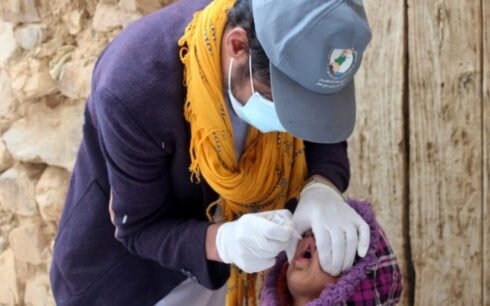
Against that backdrop, a $3.1 million United Nations-backed project has provided drug prevention, treatment, rehabilitation and harm-reduction services in Ghazni, Paktia, Paktika, Khost and Logar provinces.
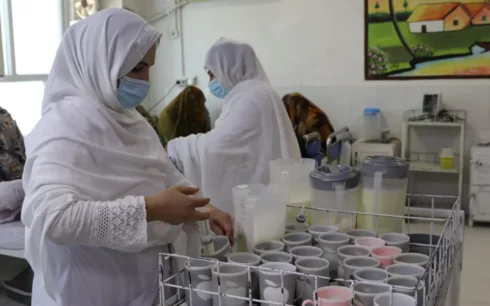
According to the report, the program reached nearly 49,000 people after its launch in 2024, including more than 37,000 in 2025. It supported four residential treatment centers, four outpatient facilities and two drop-in centers.
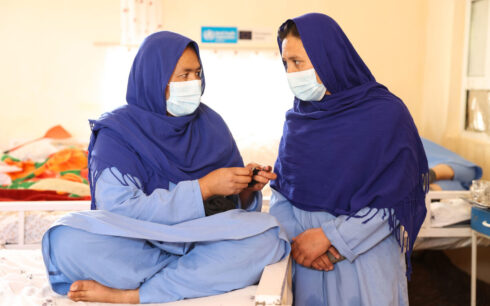
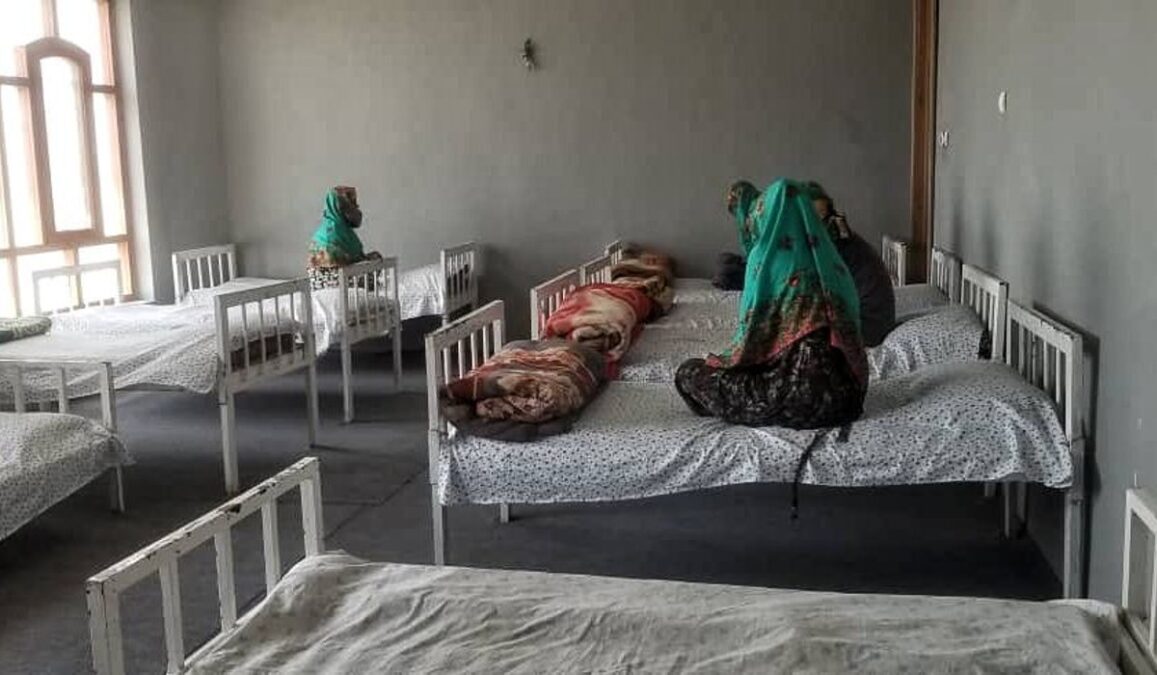
The project also established what the report described as southeastern Afghanistan’s first women-only drug treatment center in Ghazni in March 2025. The facility has provided residential treatment, psychosocial support, reintegration assistance and follow-up services to more than 2,300 clients, according to the report.
Women seeking treatment continue to face particular obstacles. The report said restrictions on women’s movement and employment had complicated both access to care and the delivery of services. Restrictions affecting Afghan women working for the United Nations and nongovernmental organizations have also forced aid groups to rely partly on remote work and women-only service models.
The program also sought to address unemployment and poverty, which the report identified as factors that can contribute to relapse. It said 625 people recovering from drug-use disorders in Ghazni, Khost and Logar received livelihood assistance in areas including poultry farming, livestock, vegetable production, tailoring and other small businesses.
According to the report, 3,143 recovering clients received aftercare services, and 80 percent remained relapse-free one year after completing treatment. Another 110 people completed vocational training, while 175 participated in entrepreneurship programs.
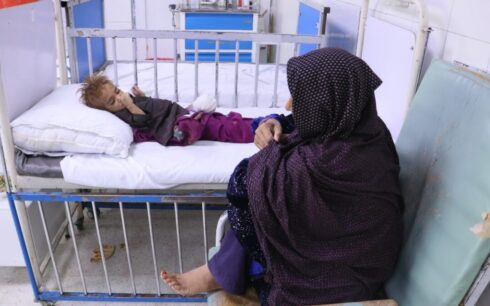
But serious gaps remain. The report said the treatment center in Khost was overcrowded, while some other facilities lacked adequate rooms, bathrooms and protective walls.
The project, coordinated by the UN Office on Drugs and Crime with four other UN agencies, ran from June 2024 through December 2025.