Residents of Lashkar Gah, the capital of Helmand province, say access to drinking water has sharply deteriorated as temperatures have risen, forcing families to wait in long lines for limited supplies.
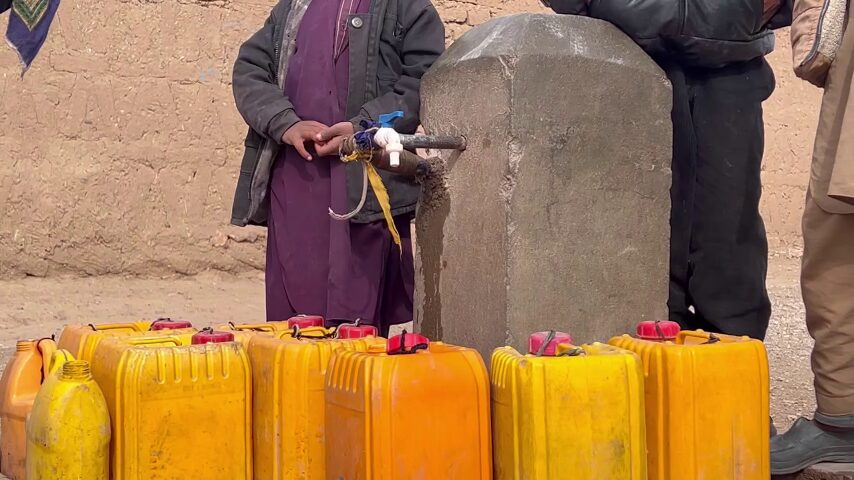
In parts of the city, residents say water flows from communal taps for only about an hour each day, leaving dozens of families to collect as much as they can during the brief window.
“We have serious problems with drinking water,” said Lal Mohammad, a Lashkar Gah resident. “There is only one tap, and there are many households. Sometimes neighbors argue with each other over getting water.”
Residents in the city’s first district said they often wait for hours to collect small quantities of drinking water. They said supplies had become increasingly scarce as summer temperatures rose.
Some residents also criticized the Taliban authorities, saying little had been done during nearly five years of Taliban rule to expand or improve water distribution networks in their neighborhoods.
Khwaja Malang, another resident, said his community had previously relied on a water tap in a lower part of the neighborhood, but that Taliban officials had disconnected it several days earlier.
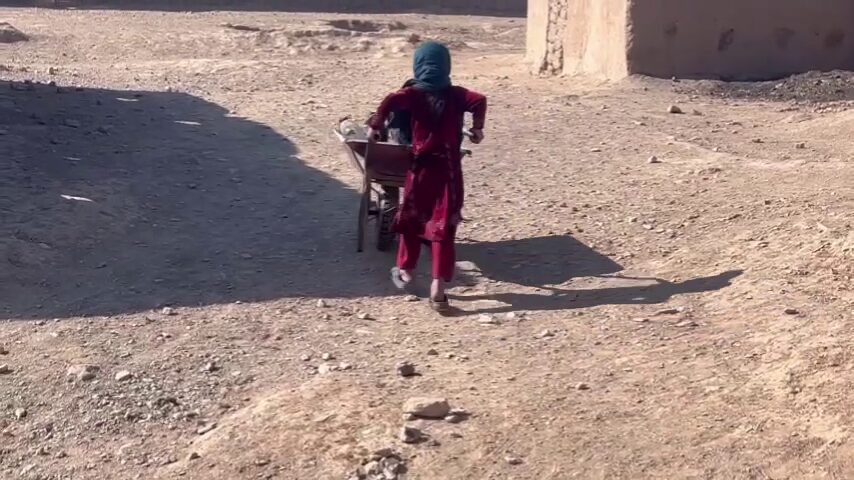
“Now we have to get water from other places with great difficulty,” he said.
Other residents said the limited capacity of the water system had left dozens of households dependent on a single source.
“In each neighborhood, the water tap works for only one hour a day,” said Jan Mohammad, a Lashkar Gah resident. “During that hour, 40 families have to collect the water they need.”
He said some families were able to fill only one or two barrels before the supply stopped.
Water scarcity has long been a serious problem in Helmand, particularly during the summer months. Residents say declining groundwater levels, growing demand and limited water distribution infrastructure have made access to safe drinking water increasingly difficult.