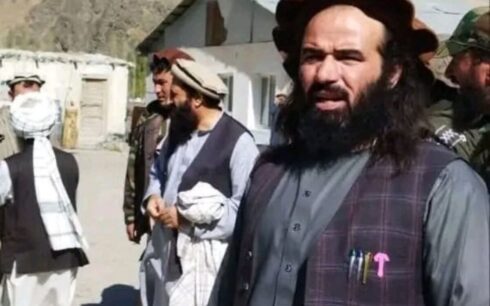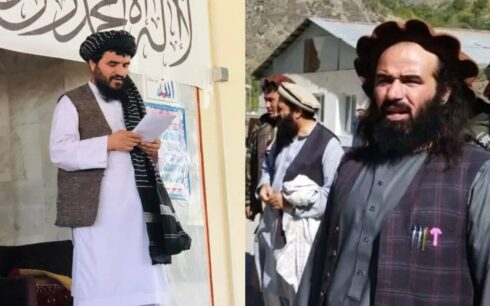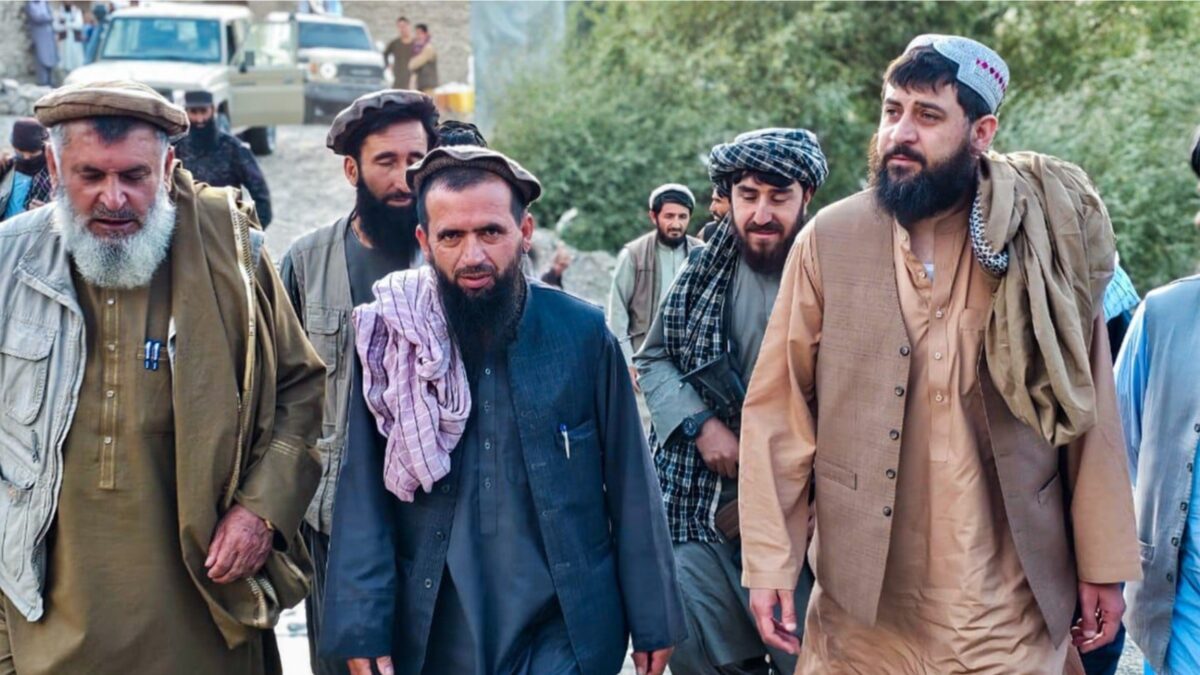
The Taliban’s defense minister, Yaqoob Mujahid, has travelled to border areas in northeastern Badakhshan province, his ministry said, as tensions persist between the Taliban leadership and an influential local commander in the province’s remote Darwaz region.
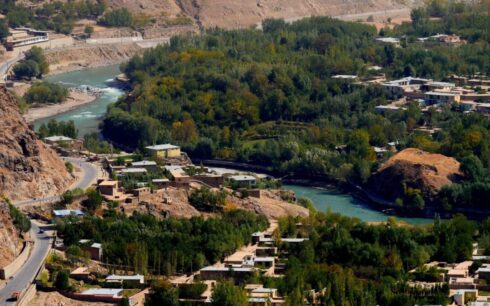
The Taliban Defense Ministry said Yaqoob traveled to inspect border posts in northeastern Afghanistan and assess conditions in the districts of Keran wa Munjan, Zebak and Wakhan, as well as the Pamir region.
The ministry did not say whether his visit was connected to the reported tensions involving Juma Khan Fateh, an influential Taliban commander in the Darwaz districts.
Sources previously told Amu that tensions had intensified between Fateh and Taliban leaders and local authorities in Badakhshan.
According to the sources, Ghulamullah, a Taliban brigade commander in Faryab province, had been proposed as a replacement for Fateh in the role of general commander for the Darwaz districts. The position, the sources said, does not formally exist in the Taliban’s administrative structure but is used locally because of the region’s particular power dynamics.
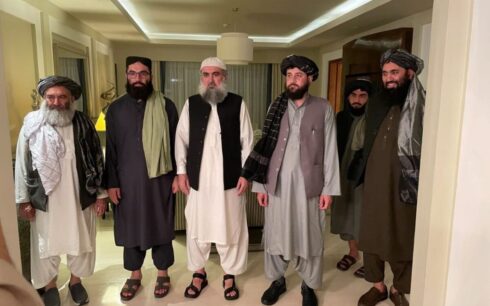
As the dispute escalated, Fasihuddin Fitrat, the Taliban army chief of staff, and Amanuddin, the Taliban governor of Helmand province, were sent to Faizabad, the capital of Badakhshan, to hold talks and help implement decisions made by the Taliban leadership, according to the sources.
Those talks with Fateh, held in the Darwaz district of Nusay, have so far failed to produce an agreement, the sources said.
Fateh is considered one of the Taliban’s most influential commanders in the Darwaz region and holds significant sway within the local power structure.
Local sources say the dispute is rooted in competition over control of gold mining and extraction in Badakhshan, a mountainous province rich in mineral resources.
Badakhshan has repeatedly experienced tensions between local Taliban commanders and their central leadership in recent years, often involving disputes over authority, resources and control of mining operations.
In a gathering among local residents in May, Fateh claimed that he commands about 10,000 armed men all over the country.