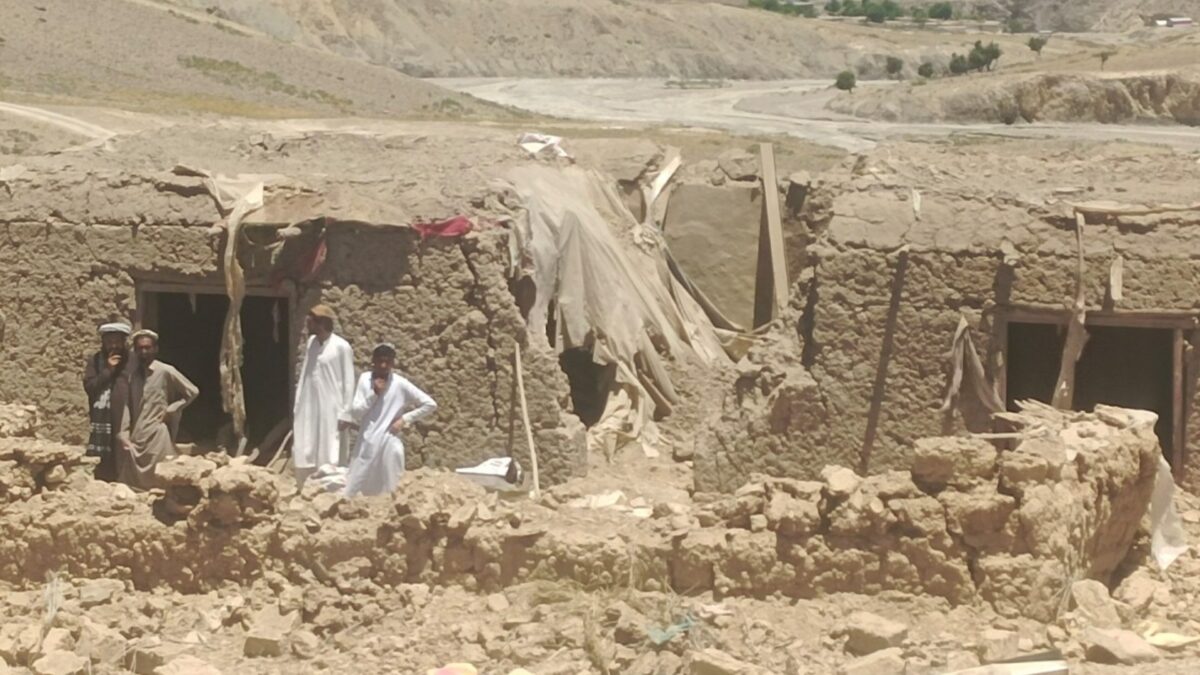
Pakistan’s recent airstrikes killed score of Afghan civilians, including women and children, in villages along the border. Islamabad insists the strikes were aimed at Tehrik-e-Taliban Pakistan (TTP) hideouts. The Taliban, however, accuse Pakistan of deliberately targeting civilian homes. This clash of narratives is not simply about truth, it is about legitimacy, perception, and propaganda.
Pakistan’s version of events is framed through the lens of counterterrorism. Officials describe the raids as precision operations against terrorist sanctuaries. This narrative reassures citizens at home, particularly after devastating suicide bombings in Karachi and Khyber Pakhtunkhwa, that the military is proactive and protective. Internationally, it aligns Pakistan with the global counterterrorism discourse, portraying itself as a victim of terrorism acting in self-defense. Strategically, it pressures Kabul to act against TTP safe havens, shifting responsibility across the border. By invoking the language of counterterrorism, Islamabad seeks to legitimize its actions under international law while masking the civilian toll.
The Taliban counter this narrative by emphasizing civilian deaths. Their propaganda highlights funerals, destroyed homes, and grieving families to rally Afghan nationalism. Domestically, this positions the Taliban as defenders of Afghan sovereignty. Although civilan death does not count for Taiban, while being qusi-state. Internationally, Taiban government exploits civilan deathes as a tool to appeali to humanitarian organizations and global audiences. Strategically, it deflects blame for harboring TTP fighters while consolidating nationalist support at home. By weaponizing civilian suffering, the Taliban aim to strengthen their own political standing.
Independent reports, including from the United Nations Assistance Mission in Afghanistan (UNAMA), confirm that civilian casualties are real. At the same time, militant targets may also have been struck. Both sides exaggerate or selectively report facts to advance political aims. This gray zone is where propaganda thrives: Pakistan insists it is fighting terrorism; the Taliban insist Pakistan is committing war crimes. Civilians remain the central victims, caught between competing narratives.
The propaganda battle between Pakistan and the Taliban is not about who is right, it is about who controls the narrative. Pakistan weaponizes counterterrorism rhetoric to justify strikes; the Taliban weaponize civilian casualty narratives to counterbalamce Islamabad. Both sides aim to shape perception, but the cost is borne by ordinary Afghans. Until accountability mechanisms are enforced, the truth will remain contested, and propaganda will continue to define the border conflict more than facts on the ground.
In the shadow of Pakistan’s rugged western frontier, a silent contest unfolds, one not merely of bullets and drones, but of narratives and power. Behind every claimed “counterterrorism success” lies a deeper struggle between the military’s strategic ambitions and the political leadership’s fight for autonomy. This article peels back the layers of official statements to expose how operations in Khyber Pakhtunkhwa and Balochistan and Afghanistan’s eastern provinces have become instruments of regional leverage, proxy manipulation, and geopolitical theater.
From covert alignments with the Taliban to the subtle diplomacy of balancing Iran, the United States, and the Gulf states, Pakistan’s security calculus reveals a dangerous duality: tactical victories masking strategic vulnerabilities. Thus, cross‑border militancy, and global rivalries converge into a single, volatile equation, one that could redefine Pakistan’s internal cohesion and its role in the region.
Ajmal Sohail is a graduate in terrorism and extremism studies from both Leiden University in the Netherlands and Maryland University in the United States. He works in the meantime as an intelligence analyst and Counter-terrorism expert. He is the co-founder and co-president of the Counter Narco-Terrorism Alliance Germany, directing its intelligence and counter-terrorism portfolios.
This article reflects the author’s views and not necessarily those of Amu TV.