Amnesty International has called on the European Union and its member states to abandon plans to deport Afghan nationals and halt talks with Taliban on migrant returns, saying that Afghanistan remains unsafe and that any cooperation on deportations would violate international human rights obligations.
In a statement issued Tuesday, the organization urged European governments to end efforts aimed at expanding deportations to Afghanistan and to discontinue readmission discussions with Taliban.
The appeal comes as the European Commission prepares to host Taliban representatives in Brussels for talks focused on the return and readmission of Afghan nationals who do not have the legal right to remain in the EU.
Amnesty said Afghanistan “cannot in any way be considered safe for returns” and warned that deportations could expose returnees to persecution, arbitrary detention, torture, enforced disappearance and other forms of abuse under Taliban rule.
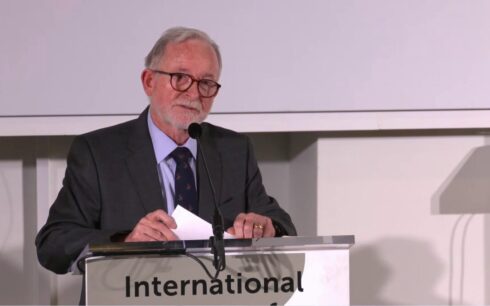
“The desperate scenes of people — including EU staff — fleeing Afghanistan are a recent memory,” said Eve Geddie, director of Amnesty International’s European Institutions Office. “It is unconscionable that the EU would now try and deport people to Afghanistan, which has only become more dangerous in the meantime.”
The organization argued that efforts to increase deportations contradict the European Union’s own conditions for engagement with the Taliban, which include respect for human rights and adherence to international obligations.
“Any EU engagement on deportations to Afghanistan is reckless, dangerous and ignores the EU’s own legal obligations,” Geddie said, referring in particular to the principle of non-refoulement, which prohibits returning individuals to countries where they face a serious risk of persecution, torture or other irreparable harm.
Amnesty pointed to what it described as the Taliban’s “institutionalized system of repression,” citing severe restrictions on women and girls, arbitrary arrests, enforced disappearances, torture and extrajudicial killings.
The criticism comes amid growing debate in Europe over migration policy and deportations. Several EU member states have pushed for increased returns of Afghan nationals, particularly those convicted of crimes or deemed security threats.
Reuters has reported that Belgium has issued visas to a five-member Taliban delegation invited to Brussels for migration-related talks, marking what would be the first known visit by Taliban representatives to EU institutions since the group returned to power in Afghanistan in 2021.
Human rights organizations and several European lawmakers have condemned the planned meeting, arguing that it risks granting political legitimacy to the Taliban while their human rights record continues to deteriorate.
Amnesty said the proposed discussions ignore both the conditions that forced many Afghans to flee and the worsening humanitarian crisis inside the country.
According to United Nations estimates cited by the organization, nearly 22 million people in Afghanistan require humanitarian assistance, while widespread poverty, food insecurity and economic hardship continue to affect much of the population.
The World Food Program has warned that millions of Afghans face acute hunger, while Afghanistan is simultaneously struggling to absorb hundreds of thousands of people returning from neighboring Iran and Pakistan.
The European Union has been among the strongest international critics of Taliban policies, particularly restrictions on women and girls. The bloc also supported the creation of an independent UN mechanism last year to investigate and preserve evidence of serious human rights violations in Afghanistan.
Amnesty argued that pursuing deportation agreements while supporting accountability efforts sends contradictory signals.
“The EU is well aware of the human rights situation in Afghanistan,” the organization said, noting that European officials have repeatedly condemned Taliban abuses and backed international accountability initiatives.
The statement adds to mounting pressure on European governments as they weigh migration concerns against warnings from UN officials, human rights organizations and refugee advocates that Afghanistan remains unsafe for forced returns.