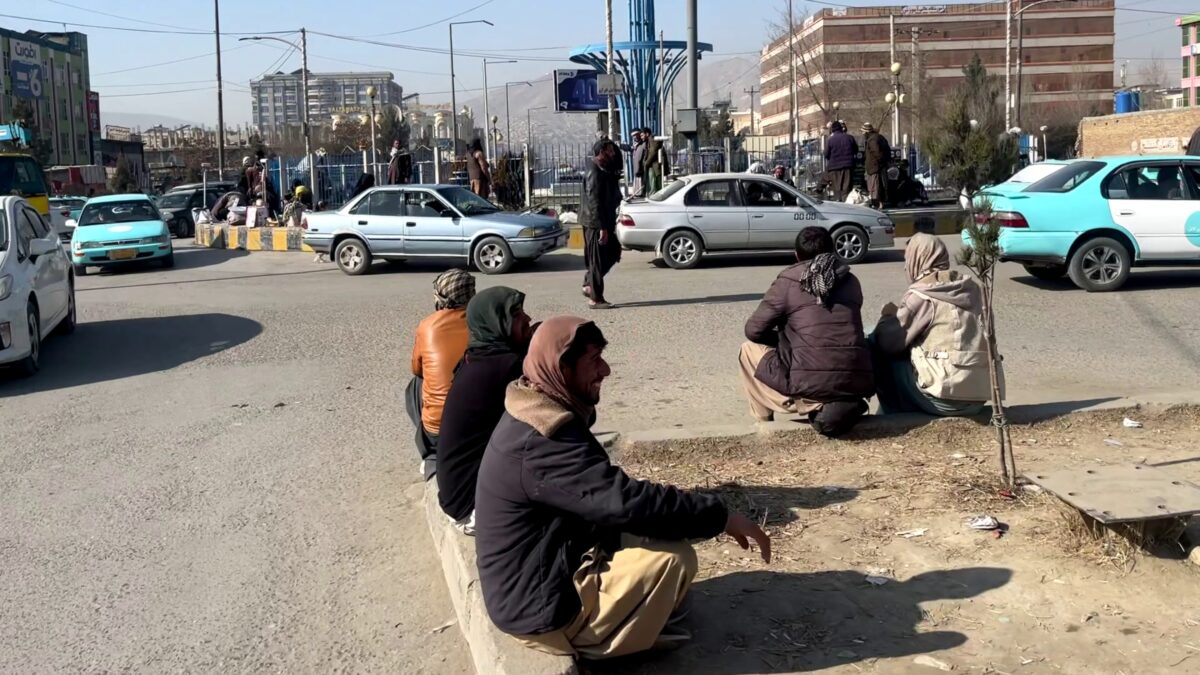
Laborers in Afghanistan are finding work for less than two days a week on average, underscoring the country’s persistent economic hardship despite stable food markets and a relatively strong currency, according to a new World Food Program report.
The report found that unskilled workers were able to secure an average of just 1.9 days of employment per week, about 16 percent lower than both last year’s level and the three-year average. Daily wages averaged 309 afghanis, slightly higher than the previous week.
The findings highlight a continuing challenge for millions of Afghans who rely on daily labor to support their families. While food supplies remain generally available and prices have stabilized in recent months, many households continue to struggle because of limited income opportunities.
The World Food Program said markets across the country remained well supplied, supported by seasonal harvests and regional trade flows. The Afghan currency also held steady at around 64.3 afghanis per US dollar, helping to contain inflationary pressures.
Yet several staple foods remain significantly more expensive than a year ago. According to the report, prices for high-quality rice were 31 percent higher than in June 2025, while lower-quality rice prices were up 33 percent. Wheat grain prices rose 12 percent, sugar increased 17 percent, and wheat flour remained between 9 and 12 percent above last year’s levels.
The report also pointed to rising costs for farmers. Prices for urea fertilizer increased 57 percent over the past year, while diammonium phosphate fertilizer rose 19 percent, raising concerns about agricultural production costs ahead of future planting seasons.
Meanwhile, the cost of the World Food Program’s standard food basket stood at nearly 6,000 afghanis, slightly above the value of humanitarian cash assistance provided to vulnerable households.
The report comes as Afghanistan continues to face one of the world’s largest humanitarian crises. UN agencies estimate that more than 21 million people will require humanitarian assistance this year, with poverty, unemployment and food insecurity remaining widespread nearly five years after the Taliban returned to power.
Although inflation has eased and markets remain functional, the report suggests that the benefits have yet to translate into meaningful improvements in livelihoods for many Afghan families. According to the report, for millions dependent on casual labor, the challenge is increasingly not the availability of food, but the ability to afford it.