A new World Food Program report says inflation accelerated in Afghanistan in April and May as regional conflicts, border disruptions and weak labor markets continued to weigh on households.
The report says that Afghanistan’s economy remains under pressure from rising inflation, disrupted trade routes and limited job opportunities, despite a relatively stable currency and modest declines in some food prices.
The market assessment by the World Food Program found that annual inflation accelerated to 8.6 percent in April, up from 7.6 percent the previous month, with food inflation reaching 8.5 percent and non-food inflation 8.8 percent. Rising prices for cereals, edible oils, vegetables, housing, transportation and health services were among the main drivers.
The WFP said Afghanistan remains highly dependent on imports and vulnerable to external shocks, including regional insecurity, exchange-rate fluctuations and disruptions to cross-border trade. Ongoing tensions in the Middle East and changes in regional trade flows have increased transportation costs and contributed to higher prices for imported goods.
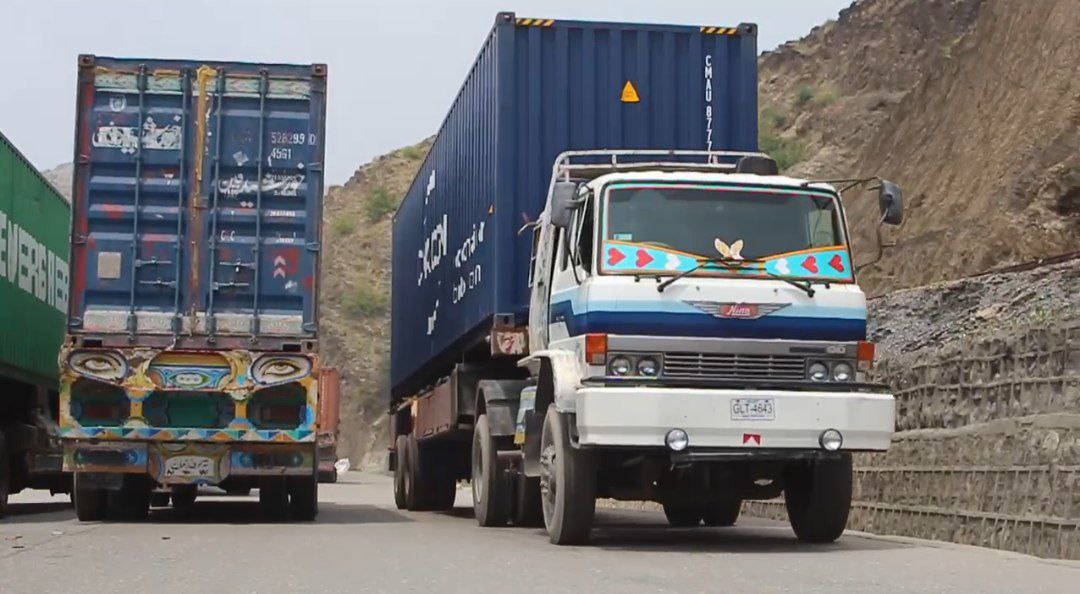
According to the report, border closures with Pakistan and conflict-related disruptions in Iran have forced traders to rely increasingly on alternative routes through Central Asia and western corridors, resulting in longer delivery times and higher logistics costs.
The report says the Afghan currency remained broadly stable in May, averaging 63.9 afghanis to the US dollar. The WFP attributed the stability to continued remittance inflows, greater use of the afghani in domestic transactions and sustained trade through alternative regional routes.
According to the report, food prices showed mixed trends. National average prices for wheat grain, wheat flour, cooking oil and pulses declined in May, helped by seasonal supply improvements and currency stability. However, sugar prices rose sharply, while imported commodities remained elevated because of earlier trade disruptions and higher transportation costs.
Rice remained among the most expensive staples. Compared with a year earlier, the price of imported Palawi rice was 40 percent higher and lower-grade Sholae rice was up 28 percent, according to the report.
Labor conditions also remained weak. The report found that unskilled workers had access to an average of only 1.9 days of work per week in May, despite a modest monthly improvement. Increased competition from Afghan returnees from Iran and Pakistan, coupled with limited employment opportunities, continued to constrain incomes.
As a result, household purchasing power remained under strain. A full-time casual laborer could afford only 47 percent of the WFP’s standard food basket on average, highlighting the gap between wages and basic food needs.
The WFP warned that while some market indicators improved in May, Afghanistan’s heavy reliance on imports and exposure to regional instability continue to leave households vulnerable to further price shocks and economic pressures.