The United States on Monday renewed its call for the appointment of a United Nations special envoy for Afghanistan, arguing that the work of the UN Assistance Mission in Afghanistan (UNAMA) cannot substitute for a broader political process aimed at addressing the country’s challenges under Taliban rule.
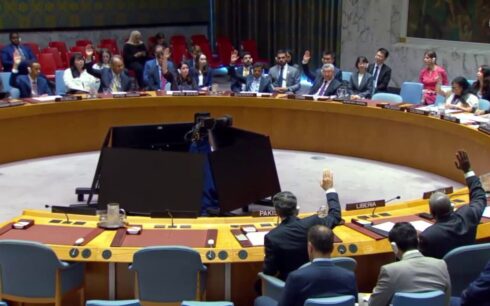
The remarks came during a UN Security Council meeting at which members unanimously approved a one-year extension of UNAMA’s mandate through June 2027.
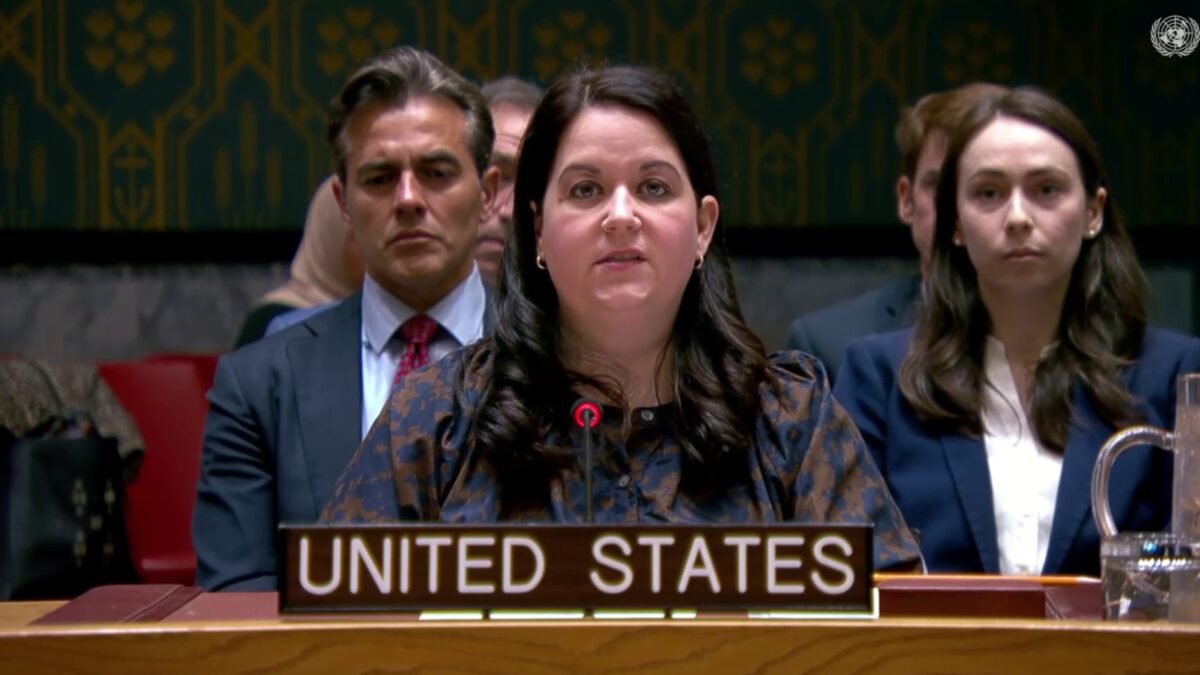
Speaking after the vote, Jennifer Locetta, the US alternate representative for special political affairs, welcomed the renewal of UNAMA’s mandate and praised the mission’s work under what she described as difficult and often dangerous conditions.
“UNAMA’s valuable reporting informs this Council’s decisions on Afghanistan, where the situation remains dire,” Locetta said.
She said the mission’s efforts to address Afghanistan’s humanitarian crisis and support dialogue could contribute to peace and stability, but stressed that a separate political track remains necessary.
“UNAMA’s important contributions, even with an SRSG in place, cannot mitigate the urgent need for the appointment of a UN Special Envoy to lead the political process in Doha,” she said, referring to the framework envisioned by Security Council Resolution 2721, adopted in 2023.
The appointment of a special envoy has remained one of the most contentious issues in international diplomacy on Afghanistan. The recommendation was originally made by an independent UN assessment and later endorsed by the Security Council, but Taliban have repeatedly opposed the proposal, arguing that it would create a parallel mechanism for engagement with Afghanistan.
Locetta also called on UN Secretary-General Antonio Guterres to quickly appoint a new Special Representative to lead UNAMA, a position that has remained vacant since the departure of Roza Otunbayeva.
She said the strategic review of UNAMA mandated by the newly adopted resolution would help the Security Council assess whether parts of the mission’s mandate should be adjusted to improve effectiveness.
The US diplomat also outlined several conditions that Washington believes are necessary for progress in Afghanistan.
“The Taliban must act,” she said, calling on them to fulfill their counterterrorism commitments, respect Afghanistan’s international obligations, end what she described as “hostage diplomacy,” and halt restrictions on women and girls.
She also urged the Taliban to remove obstacles affecting UN operations, including restrictions that prevent Afghan female UN employees from accessing their workplaces.
Since returning to power in August 2021, the Taliban have imposed sweeping restrictions on women and girls, including bans on secondary and higher education, limitations on employment and restrictions on participation in public life. Those measures have drawn widespread condemnation from the United Nations, Western governments and human rights organizations.
The Security Council’s decision to renew UNAMA’s mandate came after months of debate among member states over the mission’s future role in Afghanistan. In March, the Council approved only a three-month extension rather than the customary one-year renewal and called for a broader review of the mission’s priorities and effectiveness.
The new resolution restores UNAMA’s annual mandate and requests a strategic review of the mission, which remains the United Nations’ principal political presence in Afghanistan.
While supporting the renewal, the United States signaled that it expects both reforms within the UN mission and renewed international efforts to advance a political process that addresses Afghanistan’s governance, human rights and security challenges.