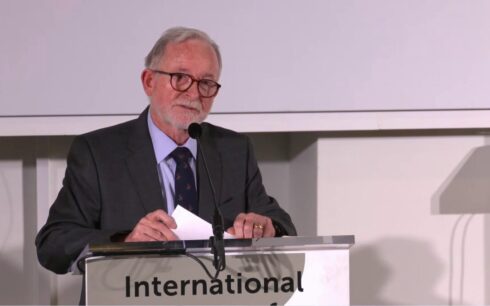
Nearly 138 million children around the world remain engaged in child labor despite recent progress, the International Labour Organization (ILO) said Friday as it marked World Day Against Child Labour.
The UN agency called on governments, businesses and communities to intensify efforts to end child labor, emphasizing that children should be in school rather than working.
“No child should be working when they should be learning, playing and dreaming,” the ILO said in a statement.
The agency noted that the Asia-Pacific region has recorded the largest decline in child labor since 2020, with the prevalence rate falling from 5.6 percent to 3.1 percent.
Despite that progress, an estimated 27.7 million children across the region remain involved in child labor, according to the ILO.
The organization launched a global awareness campaign urging people to “hold up a red card” against child labor and encourage others to join the initiative under the hashtag #EndChildLabour.
The World Day Against Child Labour is observed annually on June 12 to highlight the plight of children engaged in work that deprives them of education, health, safety and childhood.
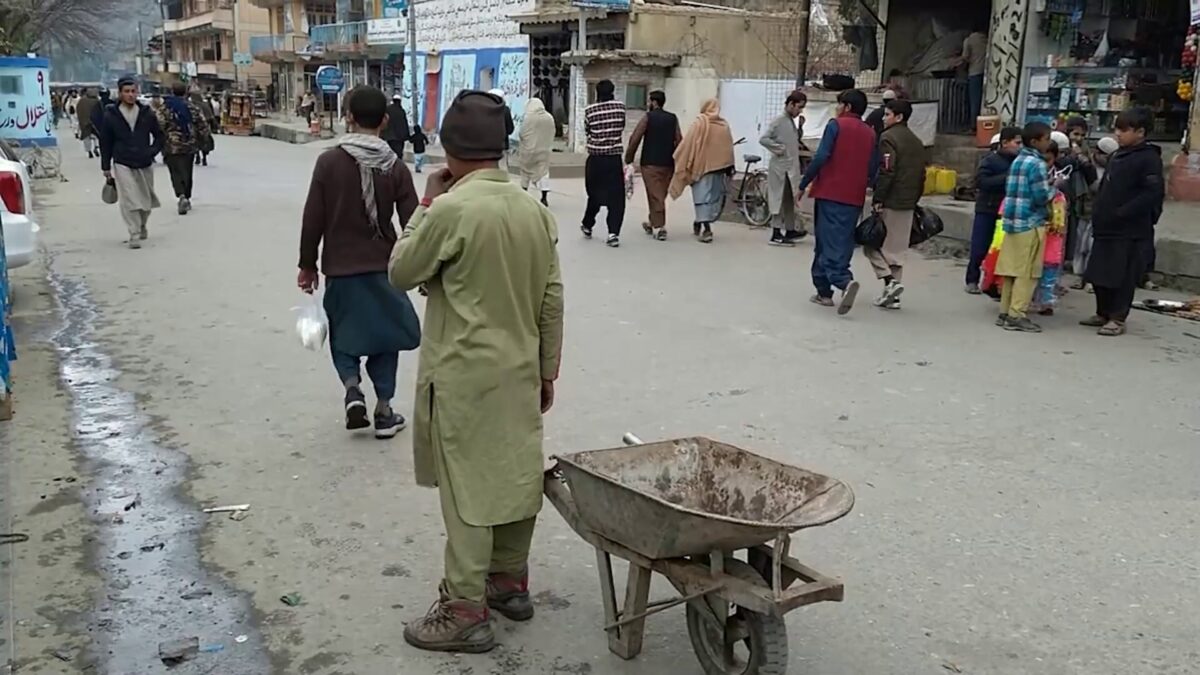
The issue remains particularly acute in Afghanistan, where years of conflict, economic hardship and humanitarian crises have pushed many families to rely on child labor to survive.
Since the Taliban returned to power in 2021, the country has faced rising poverty, declining household incomes and reduced international aid, increasing pressure on vulnerable families.
UN agencies and aid organizations have repeatedly warned that economic distress has forced growing numbers of Afghan children into work, including street vending, agriculture, workshops and other forms of labor.
Humanitarian groups have also expressed concern that restrictions on girls’ education and continuing barriers to schooling could increase the risk of child labor, early marriage and other forms of exploitation.
The United Nations estimates that over 22 million people continue to require humanitarian assistance in Afghanistan, with children among those most affected by the country’s economic and social challenges.
While the ILO highlighted global progress in reducing child labor, it warned that millions of children remain deprived of opportunities to learn and develop, underscoring the need for sustained international efforts to eliminate the practice.