Pakistan’s Foreign Ministry said Thursday that Islamabad reserves the right to take military action against militant groups operating from Afghanistan, while maintaining that it remains committed to dialogue with the Taliban.
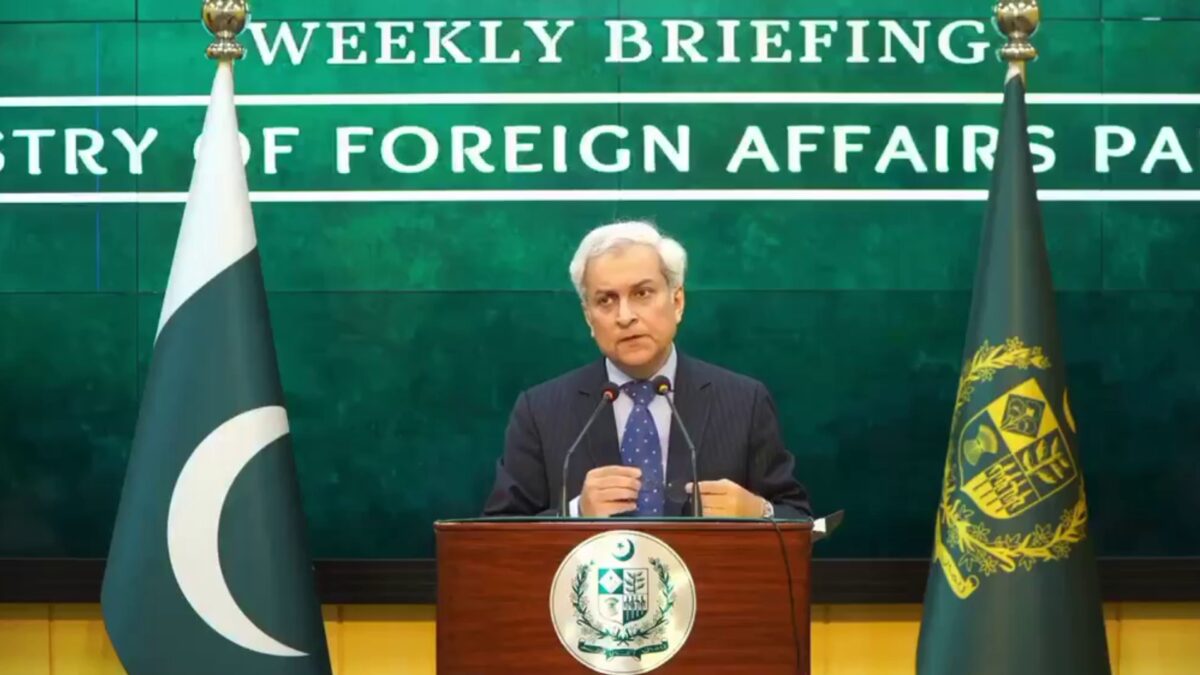
Speaking at a weekly news briefing in Islamabad, Foreign Ministry spokesman Tahir Andrabi said Pakistan could not remain passive in the face of attacks that it says are planned and launched from Afghanistan’s territory.
“Pakistan is a victim of terrorism,” the spokesman said. “No responsible state can remain passive when its civilians and security forces are repeatedly targeted.”
He said Pakistan would continue to take “all necessary measures” to protect its citizens, describing any such actions as a last resort and in accordance with international law.
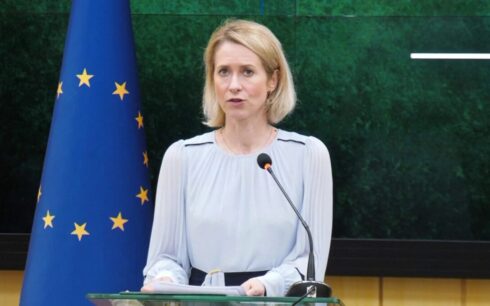
The comments came after questions about remarks by the European Union’s special representative for Afghanistan, who recently emphasized dialogue over military action and warned of the humanitarian consequences of fighting involving Afghanistan.
Andrabi said Pakistan supports diplomacy and maintains close historical, cultural and religious ties with Afghanistan but added that Islamabad expects a clear commitment from the Taliban that Afghanistan’s territory will not be used for attacks against Pakistan.
“Our position remains that while we want dialogue and wish to pursue the path of diplomacy, we cannot allow the killing of Pakistani civilians and members of our law enforcement agencies by elements based in Afghanistan, or by those operating with the collusion of authorities there, to continue unchecked,” he said.
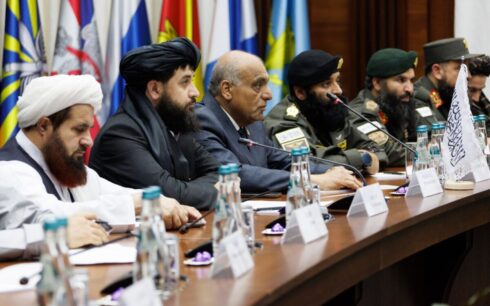
Pakistan has repeatedly accused the Taliban administration of failing to curb the activities of Tehreek-e-Taliban Pakistan, or TTP, which Islamabad says operates from sanctuaries inside Afghanistan. The Taliban have denied allowing Afghanistan’s territory to be used against other countries and have rejected Pakistan’s allegations.
Andrabi said the issue had been discussed with international partners, including the European Union and China.
He added that Pakistan and China had agreed to strengthen coordination on counterterrorism efforts, including against the TTP and the East Turkestan Islamic Movement, which Beijing considers a security threat.
Separately, Andrabi declined to comment on reports that Russia had signed a defense agreement with the Taliban administration, saying details of the reported arrangement were still being verified.
“We have seen these reports,” he said. “At this stage, it would be premature to offer any comment on the matter.”
The spokesman also welcomed international humanitarian assistance to Afghanistan, saying Pakistan supports efforts aimed at easing the suffering of the Afghan people.
“The people of Afghanistan are our brothers,” he said. “Any international assistance that addresses their humanitarian problems or alleviates their suffering is supported by Pakistan.”
Relations between Pakistan and the Taliban have become increasingly strained over border security and militant violence despite close ties between the two sides before the Taliban’s return to power in 2021.
Pakistan has carried out several cross-border strikes in Afghanistan in recent years, saying it was targeting militant groups responsible for attacks inside Pakistan. The Taliban have condemned the strikes as violations of Afghanistan’s sovereignty.
In March, Pakistan conducted airstrikes on targets in Afghanistan, including the Omid rehabilitation center in Kabul. According to a United Nations report, the attack killed 269 civilians. Pakistan has maintained that its operations target militant infrastructure and individuals involved in attacks against the country.