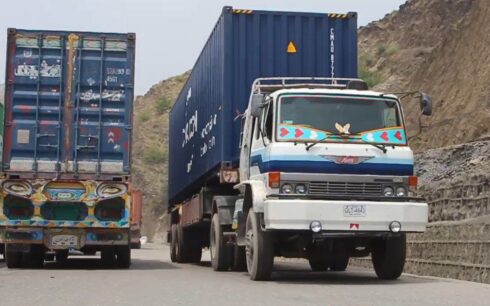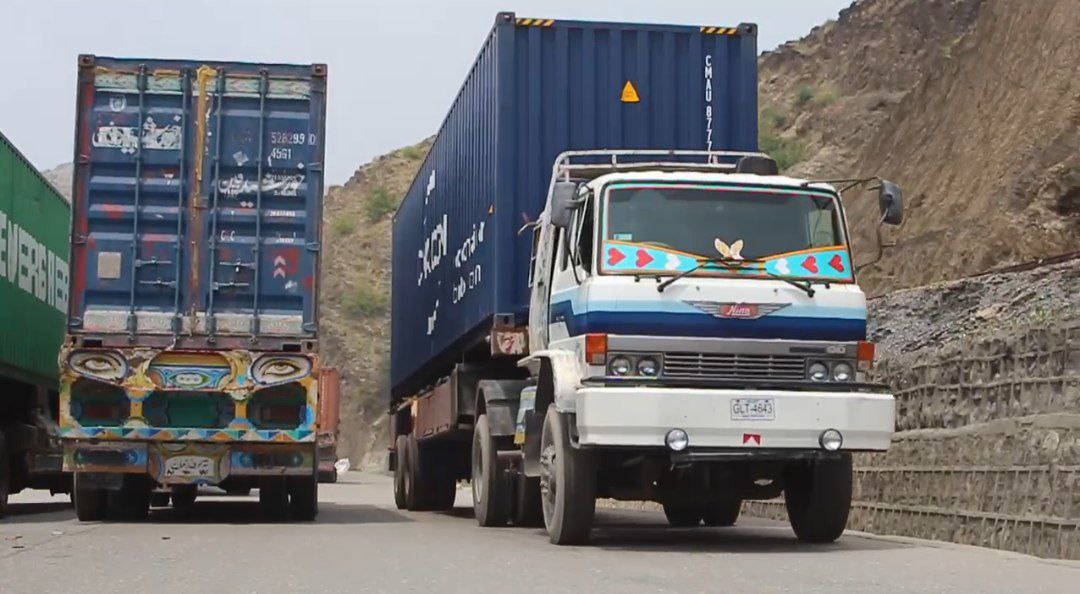
Rising tensions in the Middle East have disrupted Afghanistan’s trade and transit networks, leaving around 3,000 cargo containers from Afghanistan stranded at the Jebel Ali port in the UAE, the Afghanistan Chamber of Commerce and Investment (ACCI) told Amu TV on Saturday.
The chamber said the containers carry transit goods, including raw materials for factories, but Emirati authorities are not permitting shipments to continue through Iran.
Khan Jan Alokozai, a member of the chamber’s board, told Amu TV that Afghan investors had been informed that cargo could not be loaded for routes passing through Iranian territory.
“At the moment, more than 2,500 to 3,000 containers are stranded in Jebel Ali,” Alokozai said. “Authorities have ordered that they should not be loaded. Some traders had previously moved goods through smaller vessels, but now most shipments have stopped.”
He said many traders were facing heavy financial penalties because their cargo had been delayed at the port for extended periods.
The disruptions come as instability involving Iran and maritime routes around the Strait of Hormuz has heightened concerns among Afghan importers, who depend heavily on regional transit corridors for access to international markets.
Afghanistan, a landlocked country, relies on ports in neighboring countries and the Persian Gulf for much of its trade.
Business groups say the latest disruptions have added pressure to an already fragile economy facing regional political tensions, rising transport costs and strained trade relations with neighboring Pakistan.
According to the chamber, some Afghan traders have attempted to reroute shipments through Malaysia, Indonesia and India, though those alternatives have significantly increased transportation expenses.
Economic analysts say Afghanistan’s trade sector has become increasingly vulnerable because of simultaneous tensions involving both Pakistan and Iran — two of the country’s most important transit corridors.
Key maritime gateways for Afghan goods have historically included Pakistan’s Karachi and Wagah routes, Iran’s Chabahar and Bandar Abbas ports, and the Jebel Ali port in the UAE.
But many of those routes are now affected by political instability, border disputes or regional conflict.
Some Kabul residents said the disruptions were already contributing to rising food prices and shortages in local markets.
The ACCI said traders were increasingly shifting imports through northern routes and Central Asian countries to avoid disruptions in southern and western corridors.
Since the Taliban returned to power in 2021, Afghanistan’s economy has remained heavily dependent on regional trade access, while sanctions, banking restrictions and political isolation have complicated international commerce.
Analysts warn that prolonged disruptions in Gulf and regional transit routes could further increase inflation and place additional strain on Afghanistan’s businesses and consumers.