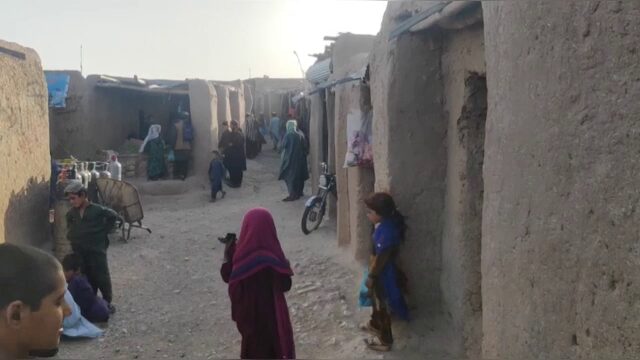
In Nad Ali, a farming district of southern Helmand province, rising food prices and dwindling incomes have left many families unable to afford even basic staples, residents and shopkeepers say.
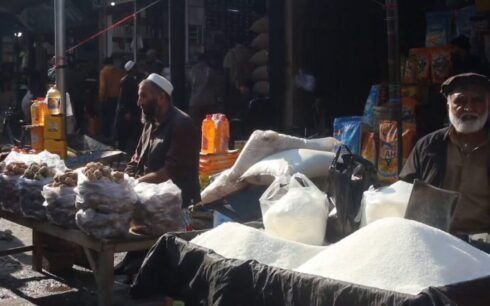
In local markets, vendors describe a growing gap between the cost of goods and what customers can pay. As prices climb, purchasing power has eroded to the point that even small transactions have become difficult.
“People’s economic situation has become so weak, and prices have gone so high, that when I go to buy goods, I bring back the cheapest and even damaged food to sell,” said Akhtar Mohammad, a shopkeeper. “Our transactions are for five or 10 afghanis. People are so poor they cannot even afford a kilo of eggplant.”
Shopkeepers say the strain is compounded by what they describe as limited oversight by local Taliban authorities, including a lack of price monitoring and market regulation.
“One problem is unemployment,” said Abdul Sattar, another shopkeeper. “Another is that the authorities pay no attention to us. There is no monitoring of prices, and no attention to cleanliness or market conditions.”
Residents say the rising cost of essentials, including flour, has reduced the amount of food on their tables. Some point to recent returns from neighboring countries and a lack of jobs as key factors behind worsening conditions.
Sultan, a resident who returned from Iran four months ago, said he had been unable to find work since coming back.
“In Iran the situation was not good, but we could work and earn something,” he said. “Here, I have spent all the money I saved there, and now both the Iran and Pakistan routes are closed. I don’t know what to do.”
Local accounts reflect broader pressures across southern Afghanistan, where reduced foreign aid, the return of migrants from Iran and Pakistan, limited employment opportunities and the effects of climate change on agriculture have contributed to rising poverty.
For many in Nad Ali, residents say, the result is a daily struggle to secure enough food.