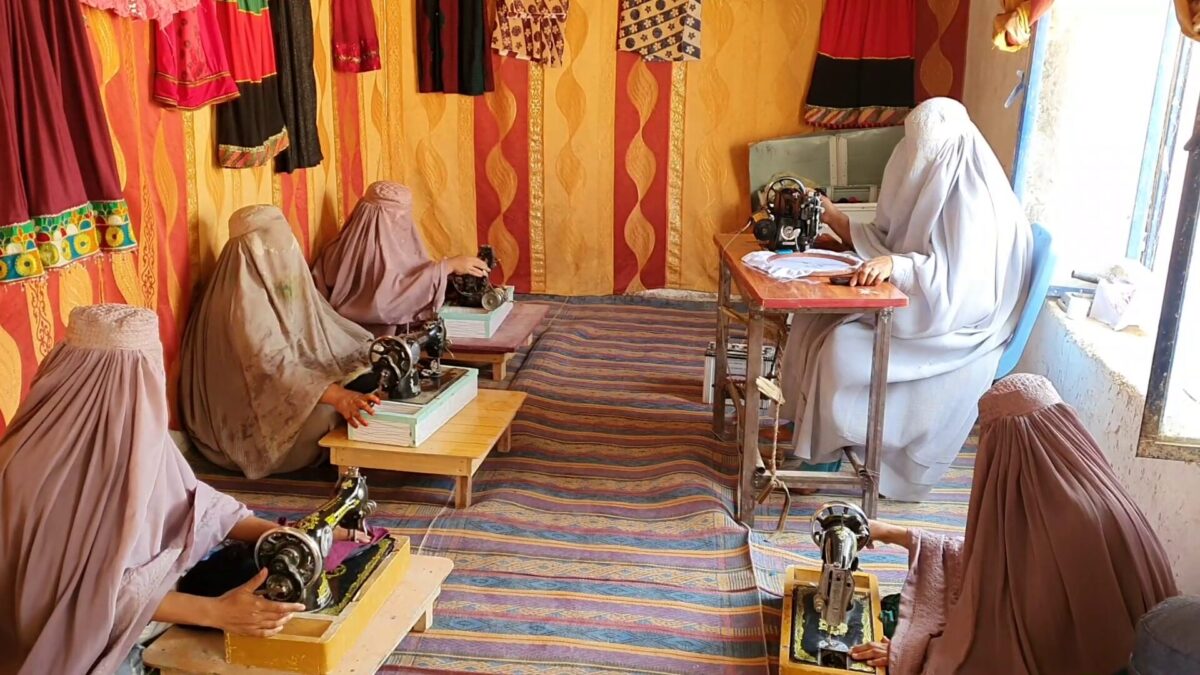
Women in southern Afghanistan’s Kandahar province say restrictions on female employment have pushed many households into deep economic hardship, forcing some to take on low-paid and physically demanding work to survive.
Several women told Amu TV that since the Taliban’s return to power, job opportunities for women have sharply declined, leaving many without stable income. For those who were once the primary breadwinners, the loss of work has had immediate consequences for their families.
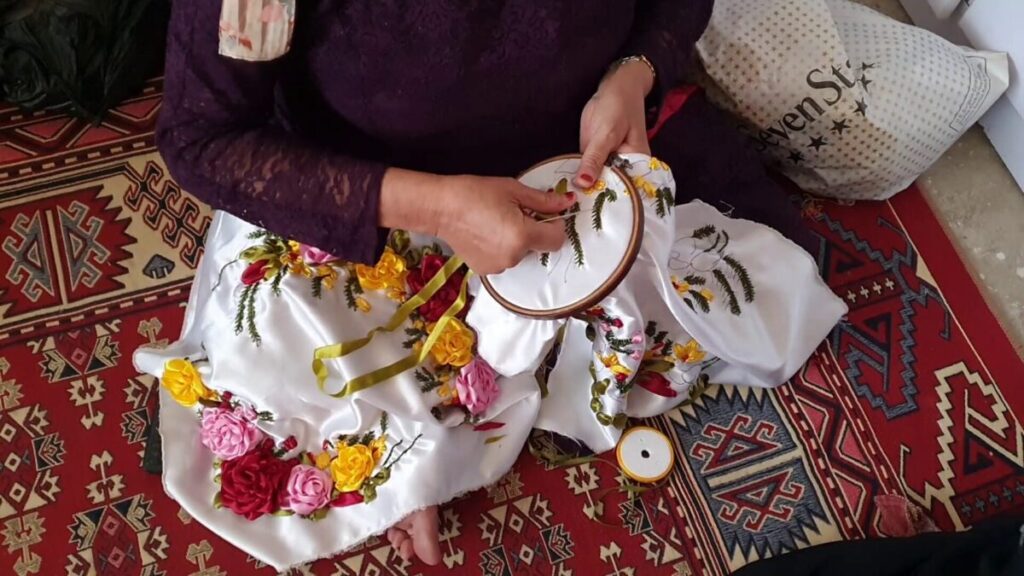
“Tailoring stopped, the economy weakened, and we became unemployed,” said Ziba, a resident of Kandahar. “Our husbands are also jobless. We sit at home and don’t know what to do. Our children have needs, and we cannot even cover basic expenses or school fees.”
Some women said they have turned to working in other people’s homes — cleaning or doing manual labor — to meet basic needs. Others said even those options are limited and poorly paid.
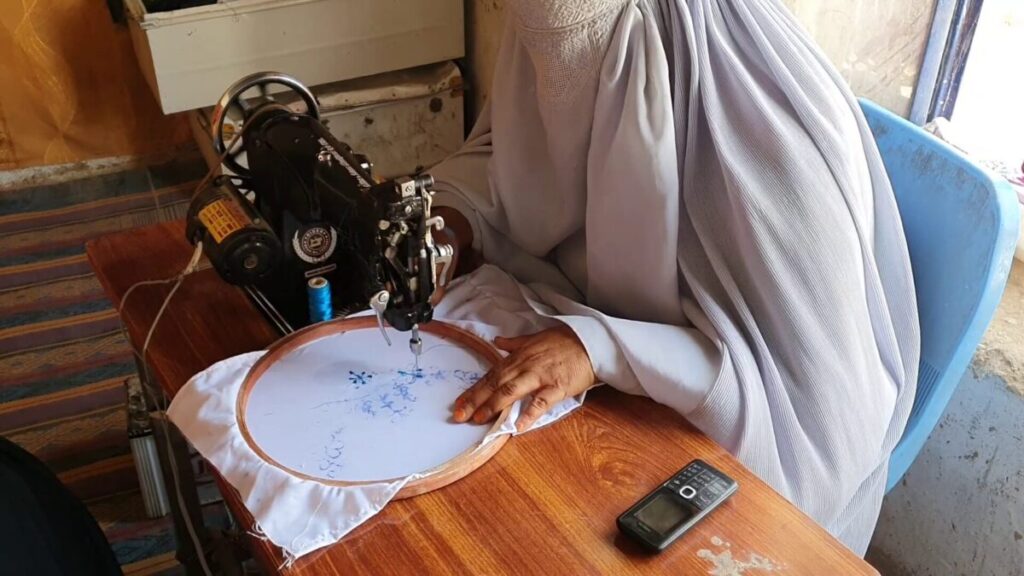
“We want our work to resume,” said Zainab, another resident. “There are many women here who are the heads of their households. We want to work and make progress.”
For many, the strain is compounded by broader unemployment affecting male family members as well.
One woman, who gave her name as Gulali, said she now works as a domestic laborer to support her children. “I work in people’s houses so I can bring something home or pay rent,” she said. “My young son earns 100 afghanis a day. Our situation is very bad — we cannot even buy flour.”
Women interviewed said they see little sign of improvement and are calling for the reopening of workplaces and greater support for livelihoods.
The restrictions on women’s employment have been a defining feature of Taliban policy since 2021, contributing to rising poverty levels and limiting access to income for households that depend on female earners.
For many in Kandahar, the result has been a steady erosion of living standards, as families struggle to secure even the most basic necessities.