Women and girls in eastern Afghanistan are facing disproportionate harm from escalating hostilities between Taliban forces and Pakistan, according to a new report by UN Women.
The report, known as a “Gender Alert” and produced by Afghanistan’s Operational Gender Coordination Group, says that more than half of the roughly 90,000 people affected by recent cross-border violence are women and girls. Nearly one in ten affected households are headed by women.
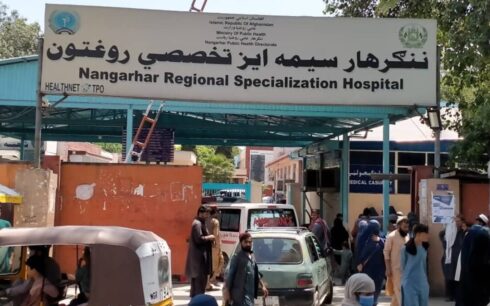
The analysis focuses on the impact of intensified clashes since February, including airstrikes, artillery shelling, drone attacks and ground fighting that have affected at least 10 provinces along the Afghanistan-Pakistan border.
The findings highlight how the violence is compounding already severe restrictions on women. Under Taliban rule, women face broad limitations on movement, employment and participation in public life, conditions that are now worsening the humanitarian impact of the conflict, the UN Women said.
According to the report, women are experiencing multiple layers of hardship, including displacement, damage to homes and the loss of livelihoods. These challenges are further intensified by barriers such as restrictions on movement, which limit their ability to seek work, access aid or relocate to safer areas.
“Additional barriers — including restrictions on women’s movement — are further compounding economic and social pressures,” the report said.
Humanitarian groups warn that the crisis is unfolding in an already fragile environment, where women’s access to basic services and economic opportunities is severely constrained. As a result, even short-term displacement or loss of income can have long-lasting consequences.
The report calls for targeted assistance that takes into account the specific needs of women and girls, including both immediate humanitarian support and longer-term measures to address economic vulnerability and protection risks.
The findings come as cross-border tensions between Taliban and Pakistan have intensified in recent months, raising broader concerns about regional stability and the growing humanitarian toll of the conflict.