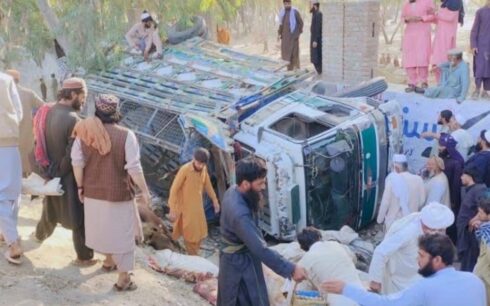
Residents of a remote district in central Afghanistan say the absence of basic health services is forcing families to undertake long and often dangerous journeys for medical care, sometimes with deadly consequences.
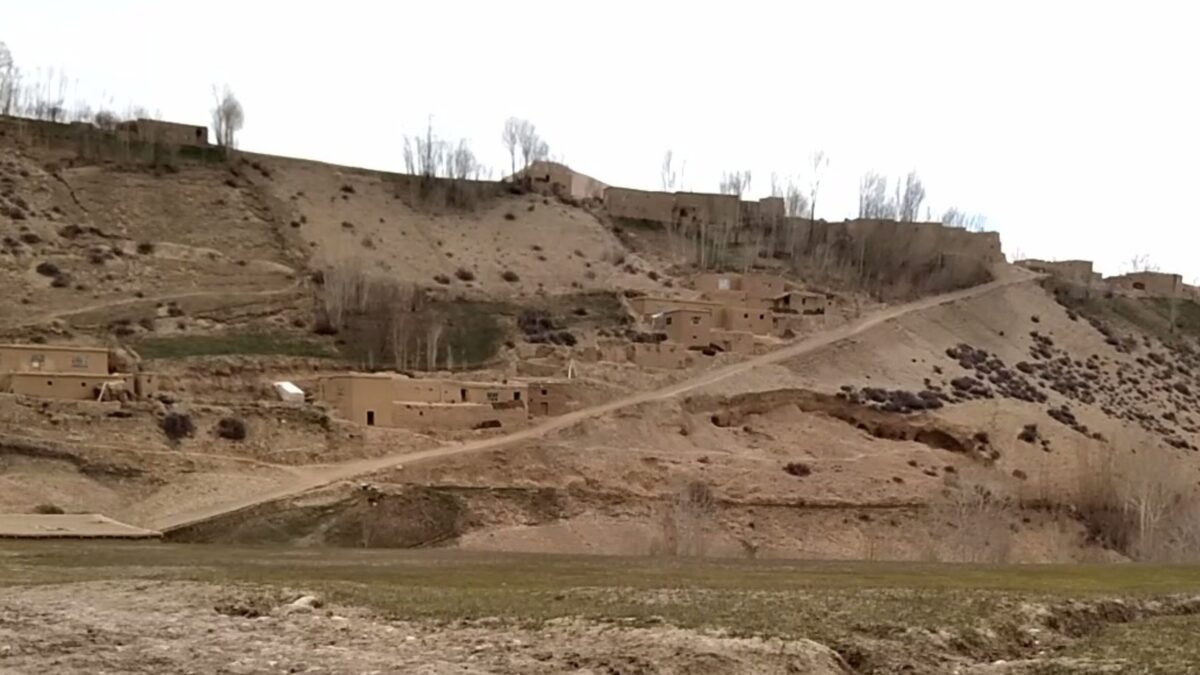
In Yakawlang district of Bamiyan province, locals say they must travel for hours over difficult terrain to reach the nearest hospital in the provincial capital. For many, the delay can mean the difference between life and death.
“The hospital is very far from us,” said Jawad, a resident of the district. “If we have a patient, we have to take them to the central hospital. The road is long, the patient’s condition worsens, and sometimes we lose them on the way.”
Residents say the lack of nearby clinics and emergency services has been a persistent problem for years, with little meaningful intervention from authorities.
They describe a system in which even treatable conditions can become life-threatening because of delays in reaching health centers. Poor road infrastructure and limited transportation options further compound the problem, particularly in emergencies.
Rahima, another resident, said some patients never make it to a health facility at all.
“The health center is very far,” she said. “When someone gets sick, we cannot respond in time. Some patients die before they even reach a clinic.”
Others echoed similar concerns, describing the situation as a constant risk for families in the district.
“Our road is long and we are far from clinics,” said Ali, another resident. “If someone falls ill, we face serious problems.”
The challenges extend beyond Yakawlang. Local sources in Bamiyan say even the province’s central hospital faces shortages of doctors and medicines, raising broader concerns about the state of health care in the region.
Afghanistan’s health system, already fragile after decades of conflict, has struggled with limited funding, staffing shortages and uneven access — particularly in rural and mountainous areas.
Residents of Yakawlang say the solution requires urgent investment in local health infrastructure, including the establishment of well-equipped clinics and improved medical staffing.
Until then, they say, families will continue to bear the burden and the risk of a system that remains out of reach.