The death toll from floods and heavy rains in Afghanistan has risen to at least 110, with more than 160 people injured, the Taliban-run disaster management authority, ADNMA, said, as severe weather continues to affect large parts of the country.
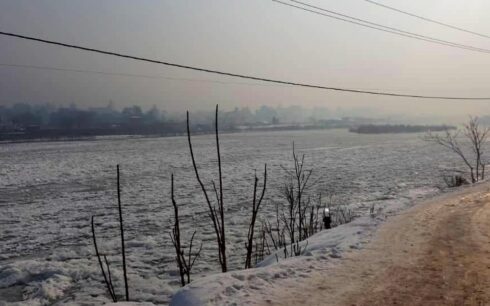
The flooding, which began on March 26, has impacted more than 20 provinces across eastern, western, northern and central Afghanistan.
The ANDMA said the floods have caused widespread destruction, damaging homes, infrastructure and farmland, and leaving thousands of families struggling to cope with losses.
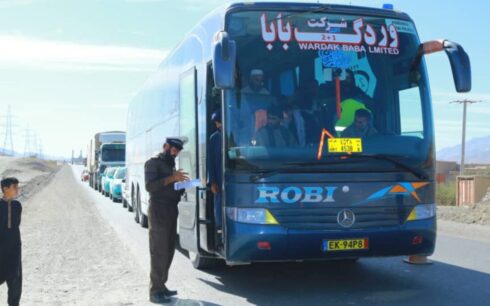
Heavy rains, flooding and snowfall have also forced the closure of several major transportation routes.
Taliban said the Salang Pass, a critical route linking northern and southern Afghanistan, as well as the Kabul–Jalalabad and Kabul–Herat highways, remained closed due to flooding, landslides and heavy snow.
The closures have disrupted travel and trade and complicated efforts to deliver aid to affected areas.
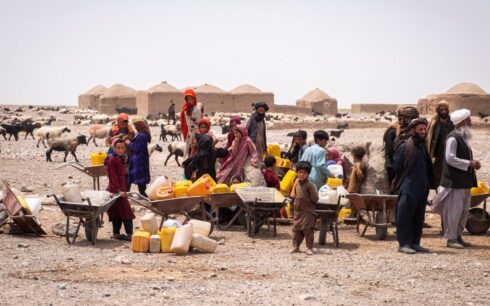
Residents in flood-hit areas say the disaster has destroyed homes, crops and livelihoods, leaving many in urgent need of assistance.
Some affected families reported that emergency aid has been slow to arrive, raising concerns about the reach of relief efforts.
Afghanistan is highly vulnerable to seasonal flooding, particularly in spring, when heavy rains and snowmelt increase the risk of flash floods and landslides.
The latest wave of flooding highlights the country’s growing exposure to natural disasters, which in recent years have compounded economic hardship and weakened infrastructure.
With more rain forecast in some areas and key roads still blocked, ANDMA said. Aid groups warn that the humanitarian situation could deteriorate further in the days ahead.