Young men in western Afghanistan say job opportunities in Herat are shrinking, forcing many into informal work that barely covers basic needs.
Some who have turned to street-based labor and small mobile trades said they earn between 100 and 150 afghanis a day — less than $2 — amid a deepening economic downturn.
Abdul Jabbar, a resident of Herat, said he spends his days walking through alleys and neighborhoods in search of any work that might bring in money. “We earn 100 to 120 afghanis a day,” he said. “What can we do? There is no other work, and the government is not thinking about us.”
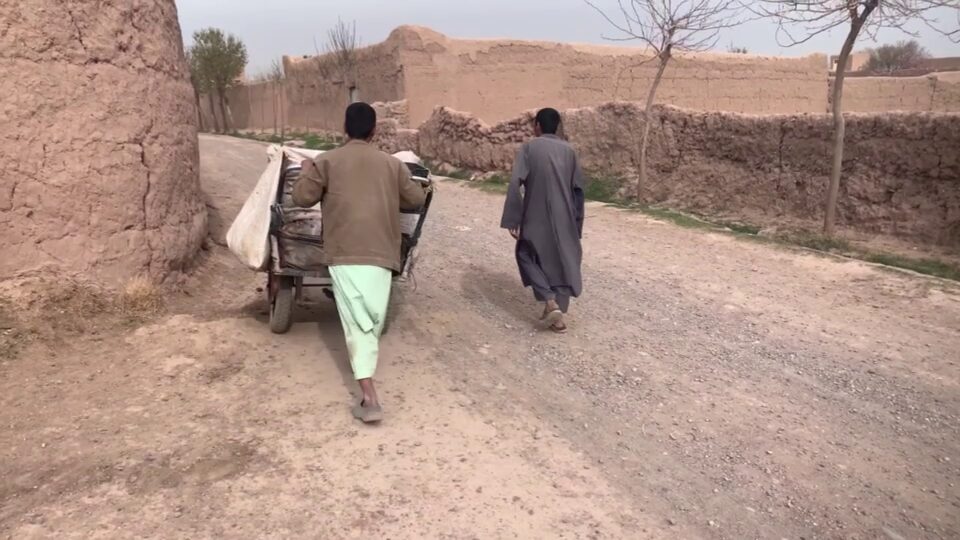
Another resident, Abdullah, said he collects and resells scrap materials — including dry bread, metal and plastic bottles — using a handcart. He said his daily earnings, typically between 100 and 150 afghanis, are not enough to meet basic living expenses.
Others pointed to broader constraints that have worsened their situation. Some young men said the closure of the Iranian border had cut off opportunities for migration and work abroad, leaving them with few alternatives at home.
Sulaiman, another resident, said even obtaining a passport had become difficult, while irregular migration routes were no longer viable. “There is no work here,” he said. “I don’t know what to do.”
Residents and local observers cited several factors behind the decline in employment opportunities, including the mass return of migrants from Iran and Pakistan, a reduction in foreign aid, the dismissal of thousands of educated young people from government positions, and an influx of job seekers from rural areas into the city.
Together, they said, these pressures have intensified competition for limited work and deepened economic hardship for many families in Herat.