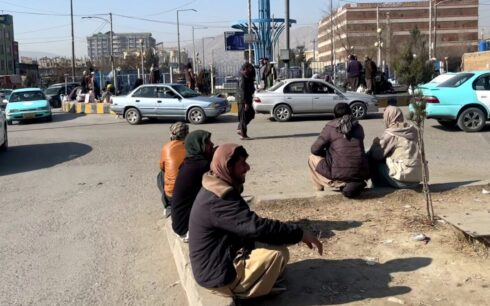
As Ramadan begins, rising food prices across Afghanistan are fueling fresh anxiety among families already strained by economic hardship, particularly in the country’s southern provinces.
Residents say the cost of basic staples has climbed sharply in recent weeks, making it increasingly difficult to prepare meals for the holy month, when families traditionally gather at sunset to break their fast.
In parts of southern Afghanistan, local sources say the price of a 10-liter container of cooking oil has risen from about 1,100 Afghanis ($18) a week before Ramadan to 1,400 Afghanis ($22.6). A 50-kilogram sack of flour that previously sold for between 1,350 ($22) and 1,400 Afghanis ($22.6) now costs around 1,500 Afghanis ($24.2). The price of a high-grade sack of rice has increased from 2,300 ($37) to 2,700 Afghanis ($43.6).
“The prices have increased a lot,” said Akhtar Mohammad, a laborer in Kandahar. “I am a daily wage worker. A container of oil costs 1,400 Afghanis. Where can I find 1,400 Afghanis? Before it was 800 or 900, but with the arrival of Ramadan it has become 1,400.”
Other residents said that while traders in some Muslim-majority countries lower prices during Ramadan, in Afghanistan they believe some merchants raise them instead.
“Prices suddenly go up,” said Nazar Mohammad, another Kandahar resident. “People are very poor. They do not have the economic ability to buy.”
Abdul Qayum, also from Kandahar, called on the Taliban authorities to reduce taxes and ease the burden on consumers. “The government should lower taxes,” he said. “They collect taxes, but people are struggling.”
The price increases come as Afghanistan faces a prolonged economic crisis. According to the United Nations, nearly 22.9 million people in the country require humanitarian assistance.
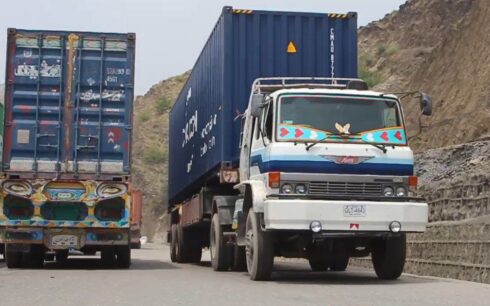
Traders and residents say the closure of key border crossings with Pakistan for more than three months, amid tensions between the Taliban and Islamabad, has further disrupted supply chains and contributed to higher prices in local markets.
For many families observing Ramadan this year, the spiritual significance of the month is overshadowed by a more immediate concern: how to afford the next meal.