Livestock herders in Afghanistan’s western Herat province say climate change and a sharp reduction in humanitarian assistance have pushed traditional animal husbandry to the brink of collapse, slashing herd sizes and threatening rural livelihoods.
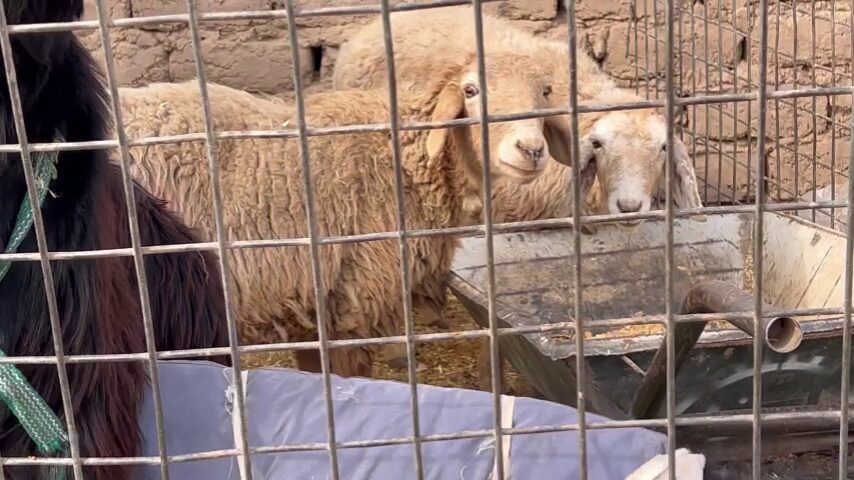
Herders told Amu TV that sheep flocks that once numbered up to 500 animals have dwindled to as few as 20 or 30, as prolonged droughts, shrinking pastureland and rising feed costs make it increasingly difficult to sustain livestock.
Some herders from neighboring Badghis province said they had moved their animals to Herat’s Injil district in search of grazing land, but conditions there had also deteriorated.
“In the past we used to take our sheep to green border areas and stay there for months,” said Kamaluddin, a herder. “We produced milk, butter and dried yoghurt, and the animals fed themselves. Now we have to buy fodder, and even then there is little milk or income left.”
Cattle owners in Injil district said their herds had also declined sharply, leaving many unable to earn enough to support their families. Several called on aid agencies to resume livestock support programmes, such as providing animals, feed or veterinary services, saying even limited assistance could help prevent a total collapse of the sector.
“If we receive even a few cows or sheep, we can stand on our own feet again,” said Abdul Aziz, another herder.
Local sources in Herat said several organizations that previously supported livestock and agricultural livelihoods had significantly scaled back their activities over the past four years, compounding the impact of climate stress on rural communities.
Afghanistan’s economy, heavily dependent on agriculture and livestock, has been under severe strain since the Taliban took power in 2021, amid international sanctions, reduced foreign aid and repeated climate shocks.