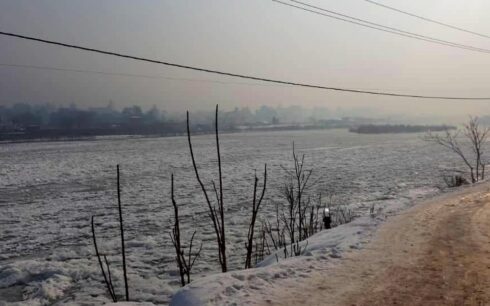
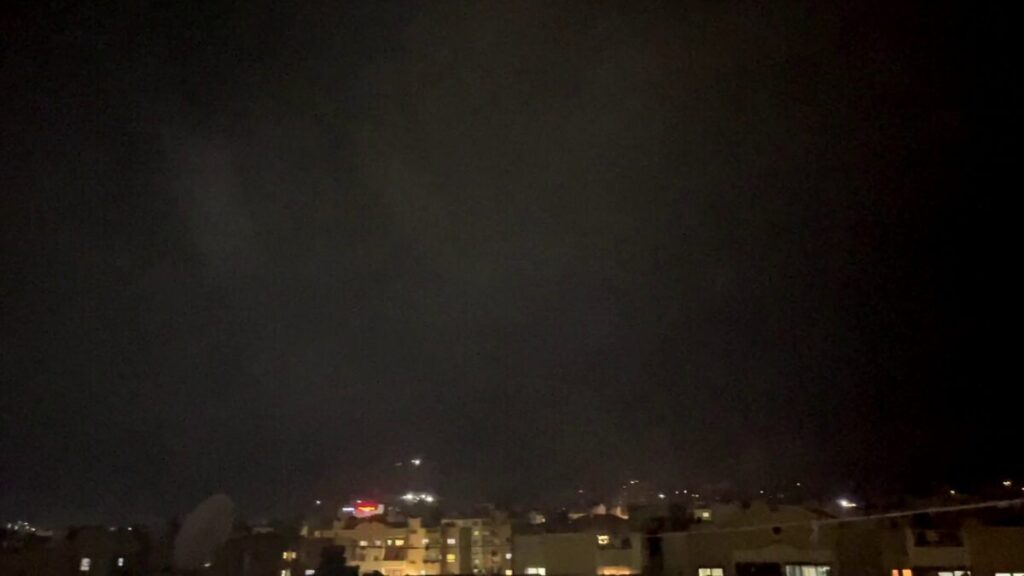
Air pollution has intensified in Afghanistan’s capital Kabul with the onset of winter, residents and health professionals said, as widespread poverty and unemployment force households to burn low-quality fuel to keep warm.
Several residents said economic hardship had left families with little choice but to use cheap and hazardous materials such as plastic and other non-standard fuels, contributing to deteriorating air quality across the city.
“The air in Kabul is much worse this year than before,” said one Kabul resident. “As people’s economic situation weakens, they burn anything they can find, including plastic and unusable materials, which pollutes the air.”
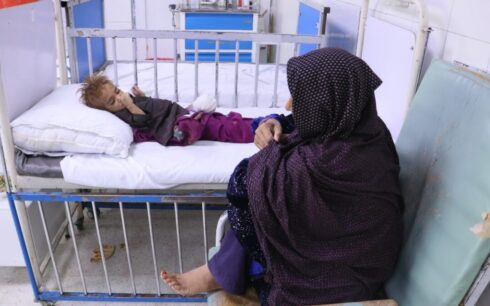
Others reported a rise in winter-related illnesses, particularly among children, and urged authorities to take action to curb pollution.
“Diseases have increased compared to previous years, especially coughs, colds and respiratory problems in children,” another resident said. “We ask the government to take steps to prevent this.”
Doctors warned that prolonged exposure to polluted air poses serious health risks, especially for children and the elderly.
“Air pollution is a major threat to public health,” said Mohammad Hakim, a physician in Kabul. “The normal oxygen level in clean air should be about 21%, but in Kabul it has dropped significantly, increasing the risk of respiratory illness.”
Air pollution has become a recurring problem in Kabul during winter months, exacerbated by rising fuel prices that push families to rely on unsafe alternatives. Local sources said higher fuel costs were directly contributing to increased use of non-standard fuels, worsening environmental and health conditions in the capital.
Residents have repeatedly called for urgent measures to address air pollution as winter temperatures continue to fall.