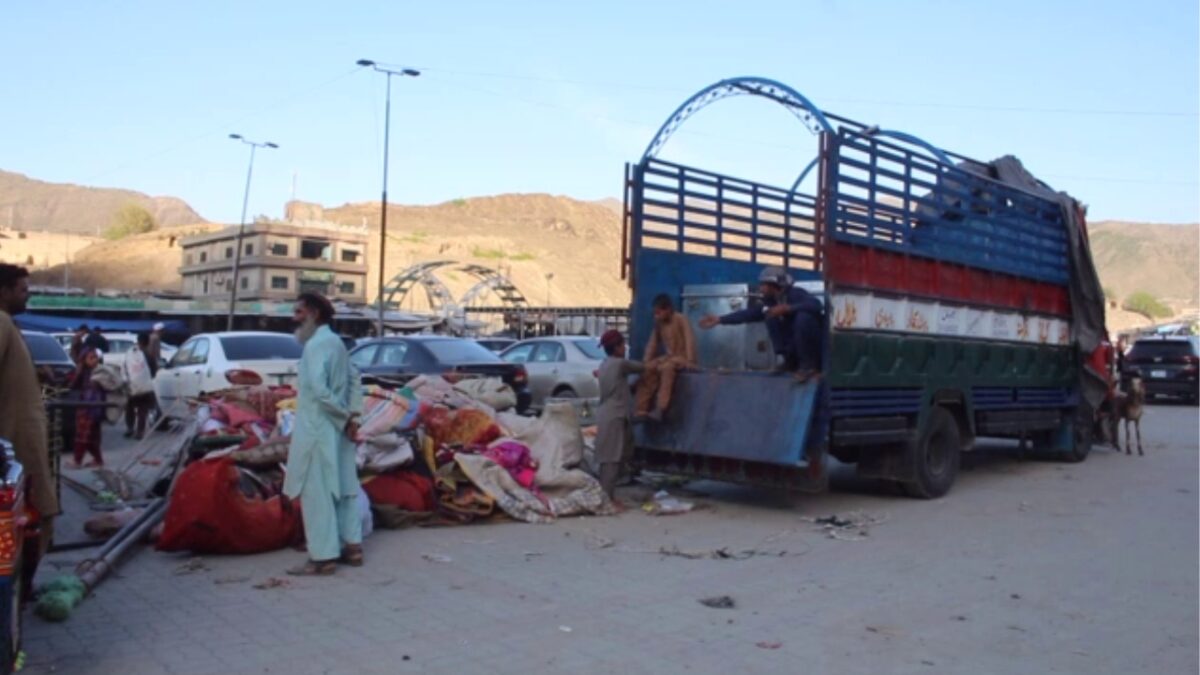
As deportations continue, figures released by the Taliban’s Refugee Return Commission show that at least 8,000 Afghan migrants were deported from Pakistan and Iran in a single day, adding to the mounting pressure on communities struggling to absorb the returnees.
The returns — some forced, others under duress — occurred through four major crossings: Torkham and Spin Boldak on the border with Pakistan, and Islam Qala and the Abresham (Silk Road) crossing with Iran.
The commission said it registered and processed the arrivals, the majority of whom were entire families, many with children and the elderly.
In total, 2,509 people from 446 families were returned through the Torkham border crossing in eastern Nangarhar Province. Another 4,203 individuals — part of 820 families — were deported via Spin Boldak in southern Kandahar. From Iran, the commission recorded 209 returnees at Islam Qala in Herat Province and more than 1,500 others — including 140 from 33 families and 1,387 individual travelers — through the Silk Road crossing in Nimroz Province.
This follows consecutive days of mass expulsions from Pakistan. Official data shows more than 20,000 Afghans were deported on November 11 and 12, making this week one of the most intensive waves of forced returns since Pakistan launched its campaign against undocumented migrants in early October.
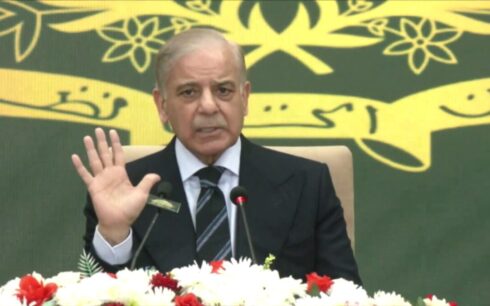
Pakistan’s government issued a deadline of November 1 for undocumented foreigners — most of them Afghans — to leave voluntarily or face arrest and expulsion. Human rights groups have decried the campaign, warning of unlawful detentions, intimidation, and family separations. Afghan journalists and activists in Pakistan have also faced growing threats of deportation, despite seeking refuge there following the Taliban’s return to power in 2021.
While Pakistani officials have defended the crackdown as a matter of national security, UN agencies and rights groups say it has already upended the lives of hundreds of thousands. Many deportees fled war or persecution and now return to a country facing severe economic collapse, widespread poverty, and increasingly limited humanitarian assistance.
According to the UN, more than 1.7 million Afghans in Pakistan lack legal residency documents and are at risk of deportation. Tens of thousands have already been expelled in what observers warn could amount to the largest forced return of Afghans in decades.