New restrictions imposed by the Taliban in Afghanistan’s Herat province are obstructing women’s access to essential healthcare, the international humanitarian organization Médecins Sans Frontières (Doctors Without Borders) said, warning of severe consequences for female patients and children.
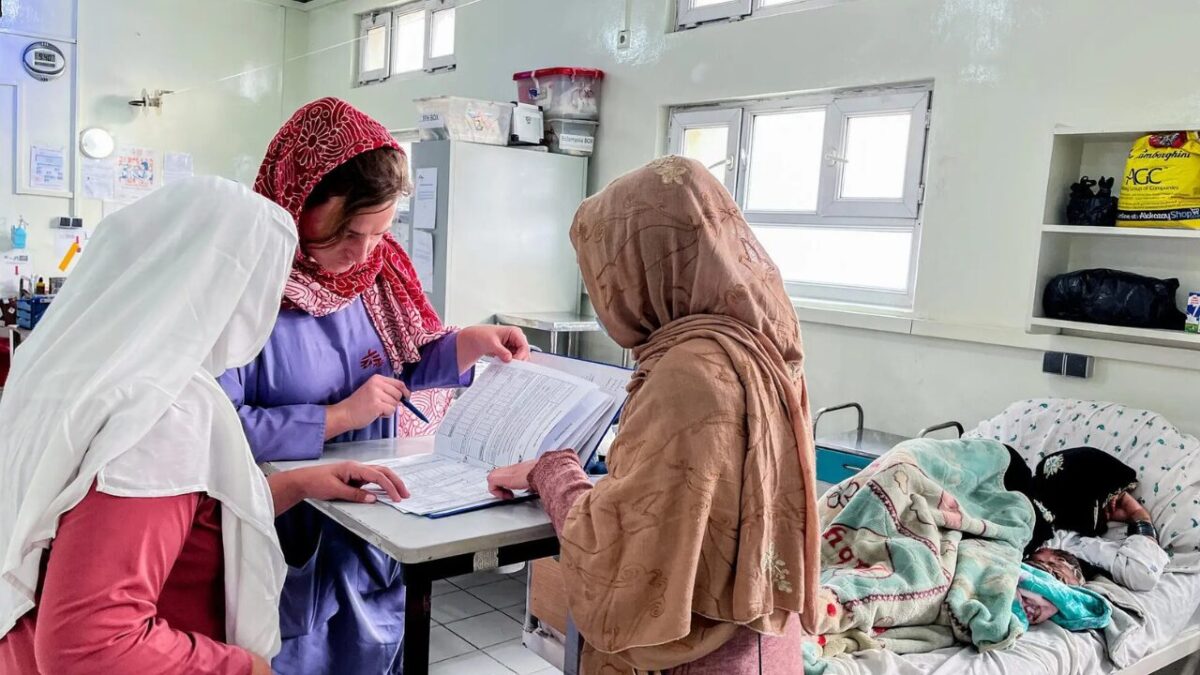
Since November 5, Taliban have required all women—whether patients, caretakers, or medical staff—to wear a burqa to enter public health facilities, including the region’s main hospital. The new rule has led to a sharp decline in hospital admissions, MSF said in a statement.
“Female patients and caretakers are now barred from entering the hospital unless they wear a burqa, meaning that access to care is determined by clothing rather than medical need,” said Sarah Chateau, MSF’s programme manager. “These restrictions further impede women’s lives and limit their access to healthcare.”
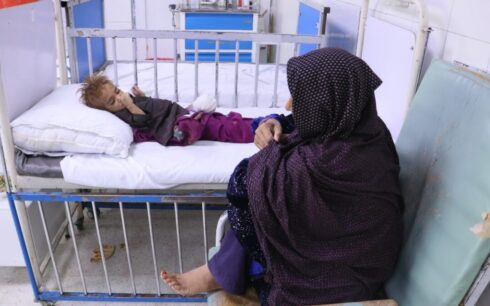
Between November 5 and 7, MSF recorded a 28 percent drop in admissions in the pediatric ward of Herat Regional Hospital, where the group supports child health services.
“Each restriction placed on women as patients translates into delayed or denied medical care,” Ms. Chateau added. “We know that this will have severe consequences for children and mothers who already face enormous barriers to accessing health services in Afghanistan.”
The mandate has also affected medical personnel. At the Islam Qala border crossing with Iran, MSF and other humanitarian organizations report similar restrictions, where out of more than 100 female health workers who previously operated at the site, only three—a doctor, a nurse, and a midwife—are currently allowed to work. All are required to wear the burqa continuously while on duty.
Many of the women deported from Iran arrive at the border in poor health, some of them pregnant or traveling with children. The shortage of female staff at these crossings, MSF warned, jeopardizes the dignity and safety of vulnerable returnees.
“The combined effect of these restrictions in Herat and at the border is alarming,” said Ms. Chateau.
Taliban, who regained control of Afghanistan in August 2021, have gradually stripped women of basic rights. Women are banned from attending secondary school and university, barred from most jobs outside of healthcare, and increasingly excluded from public life, including parks, gyms, and now, hospitals.
While Taliban officials in Herat have denied issuing any formal directive enforcing the burqa mandate at hospitals, medical workers and patients have confirmed to Amu TV that enforcement is already in place.
United Nations agencies have previously warned that such gender-based restrictions risk compounding Afghanistan’s humanitarian crisis. A 2022 UN Development Programme report estimated that banning girls from education and restricting women from work could cost the country up to $1 billion annually in lost economic productivity.
Despite international condemnation, Taliban have shown no sign of reversing course.