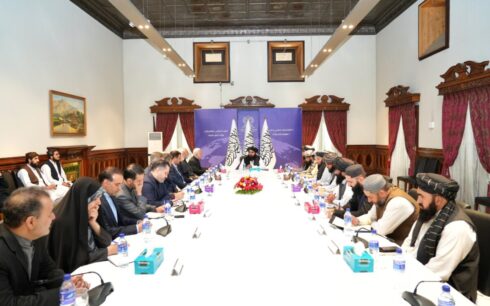
Taliban on Saturday confirmed that the third round of talks with Pakistan, held in Istanbul, had ended without any agreement. They accused the Pakistani delegation of attending the negotiations in an “irresponsible and uncooperative” manner, undermining efforts to resolve rising tensions along the border.
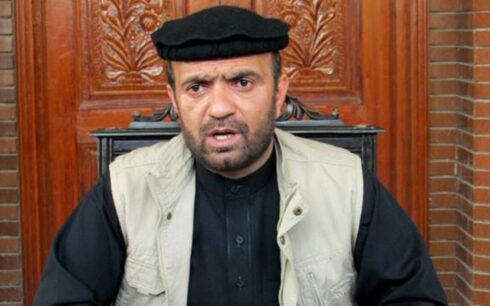
Zabihullah Mujahid, the Taliban’s chief spokesman, said in a statement that despite what he called the Taliban’s “goodwill” and the mediation of Turkey and Qatar, the talks yielded no result due to Pakistan’s lack of commitment.
“The irresponsible and uncooperative approach of the Pakistani delegation led to no outcome, despite the Islamic Emirate of Afghanistan’s goodwill and all the efforts of the mediators,” Mujahid said. The Taliban refer to themselves as the Islamic Emirate of Afghanistan.
The statement followed remarks by Pakistan’s Defense Minister Khawaja Asif, who told Geo News that the dialogue between Islamabad and the Taliban had “reached an uncertain stage” after concluding without agreement. “As we speak, the negotiations are over,” Asif said, adding that both sides had failed to overcome key disagreements.
The Istanbul meeting marked the third round of talks between high-level delegations from both sides since a week-long series of cross-border clashes in October. Those skirmishes, primarily centered around the Spin Boldak-Chaman border crossing in southern Kandahar, left casualties on both sides and disrupted trade and the return of Afghan refugees.
In their statement, the Taliban said they had expected the Pakistani side to return to the table with “seriousness and realism” after consulting their leadership, but that had not happened.
“Unfortunately, during the negotiations, the Pakistani side attributed all security responsibilities to Afghanistan,” the Taliban said. “At the same time, they showed no willingness to accept any responsibility for their own or Afghanistan’s security.”
Islamabad has long accused the Taliban of harboring and supporting the Tehrik-i-Taliban Pakistan (TTP), a banned militant group responsible for attacks inside Pakistan. Pakistani officials claimed that dismantling the TTP’s operations and ensuring Afghan soil is not used against Pakistan were their key demands in the Istanbul talks.
The Taliban, in turn, reiterated their position that they would not allow any group to use Afghanistan’s territory to threaten another country — and would not allow any country to do the same against them. “Defending Afghanistan’s sovereignty is our legal and Islamic duty,” they said, “and we will firmly resist any aggression.”
The negotiations, mediated by Turkey and Qatar, began Thursday and were expected to continue for few days, but ended early without a final statement or agreement.
Pakistan had previously warned that failure to reach a deal could worsen the situation. In earlier comments, Defense Minister Asif said that if talks failed, a “deterioration” in the bilateral relationship would be inevitable.
Tensions between the two sides remain high. Several major border crossings, including Chaman and Torkham, have been intermittently closed in recent weeks, disrupting commerce and delaying the return of Afghan refugees being expelled from Pakistan under a new repatriation policy.