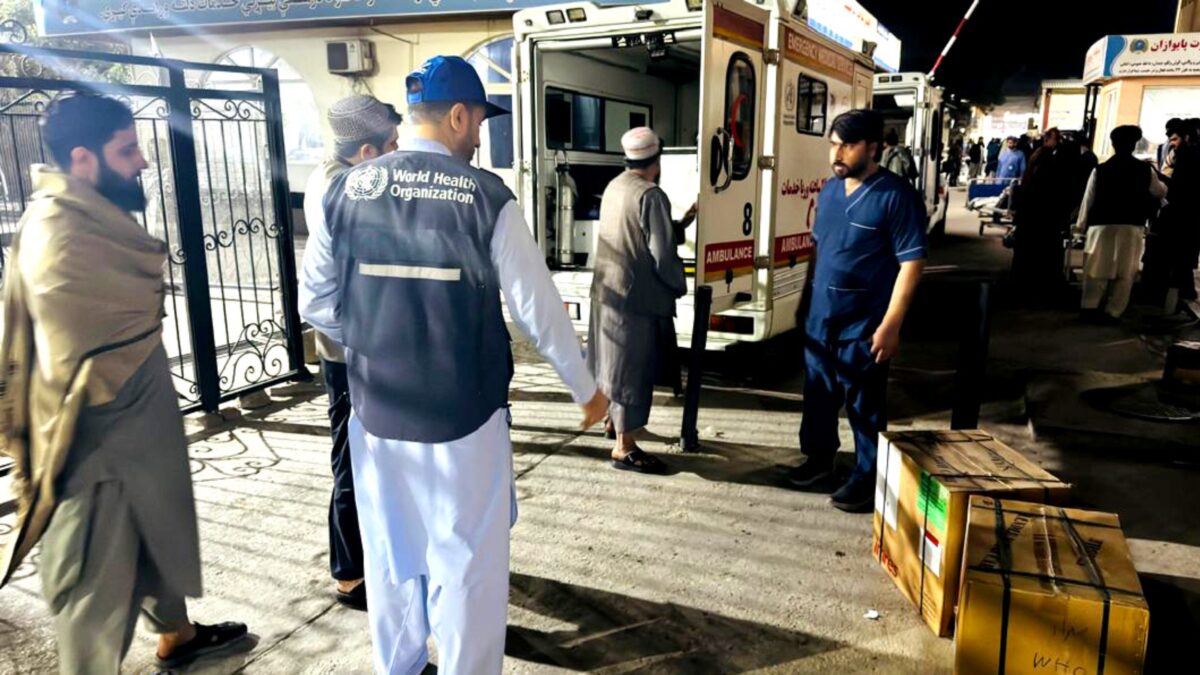
As northern Afghanistan reels from a powerful earthquake that struck early Monday, the EU office, UNAMA, NRC and WHO have said they have begun deploying emergency teams to the affected areas.
The organizations expressed condolences and pledged support to affected communities in the provinces of Samangan, Balkh, and Baghlan.
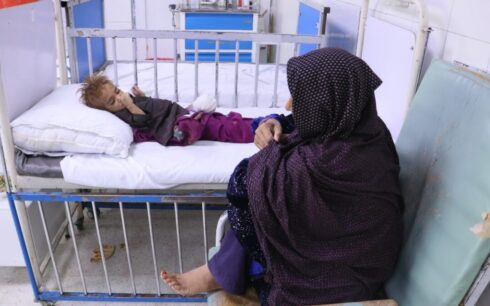
The 6.3-magnitude earthquake, which struck around 1 a.m. local time, was centered in Nakhchir district of Samangan Province. According to Taliban officials, at least 20 people were killed and more than 300 injured, while significant damage was reported to infrastructure and homes. The tremor comes months after deadly earthquake struck the eastern Kunar province, killing more than 2,000 people and leaving thousands homeless.
In a statement on Monday, the United Nations Assistance Mission in Afghanistan (UNAMA) said its staff and humanitarian partners were “on the ground to assess needs and deliver urgent aid.” The mission noted the compounded trauma of repeated seismic disasters, stating, “Just weeks after a deadly earthquake in eastern Afghanistan, the north has now been struck by another strong earthquake. We stand with the affected communities and will provide necessary support.”
The European Union Delegation to Afghanistan also responded swiftly, expressing condolences “especially to the families in Balkh and Samangan.” The EU said its humanitarian arm, ECHO Asia, had launched an aerial survey to assess the scale of the damage. “The EU stands with the people of Afghanistan,” the delegation wrote in a message posted on social media under the hashtag #EUinAction.
The Norwegian Refugee Council, a longtime humanitarian organization operating in Afghanistan, said its emergency response teams had been deployed to the quake-hit provinces. “We are deeply saddened by last night’s strong earthquake,” the NRC said. “Our teams are on the ground today, assessing impact and identifying critical needs. Our condolences to families who lost loved ones and those injured.”
The World Health Organization’s Afghanistan office confirmed that it had responded within hours, sending trauma care supplies and health teams to assist local hospitals. “This powerful earthquake has hit northern Afghanistan while the country is still reeling from the deadly impact of the earthquake in the east,” WHO said in a statement. “Our teams are already on the ground assessing needs and working with authorities.”
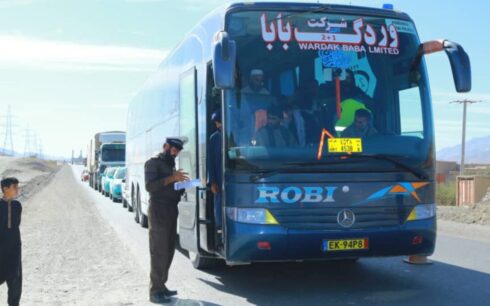
Local reports and social media footage show landslides and rockfalls in the Tashqurghan Pass, temporarily blocking the strategic Kabul–Balkh highway. Authorities say the road has since been reopened after clearance efforts by Taliban security forces.
Damage was also reported to cultural landmarks, including the historic Blue Mosque in Mazar-e-Sharif, a revered religious site that draws thousands of pilgrims annually. Videos shared online appear to show structural cracks and debris near the shrine’s entrance.
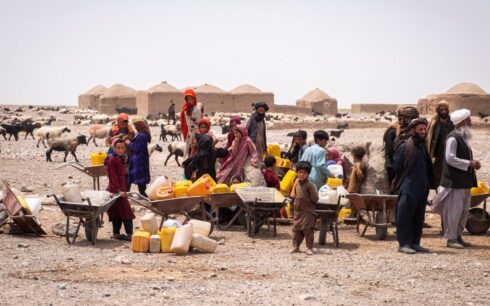
The earthquake has once again highlighted the vulnerability of Afghanistan’s infrastructure and its limited capacity to respond to natural disasters. Years of conflict, economic collapse, and isolation from international financial systems have left the country ill-equipped to handle emergencies on this scale.