Iran and Pakistan expelled more than 6,400 Afghan nationals on Wednesday, Oct. 29, according to the Taliban-run Commission for Refugees and Repatriation. The latest deportations come amid heightened political tensions and border closures for trade and transit between Afghanistan and Pakistan.
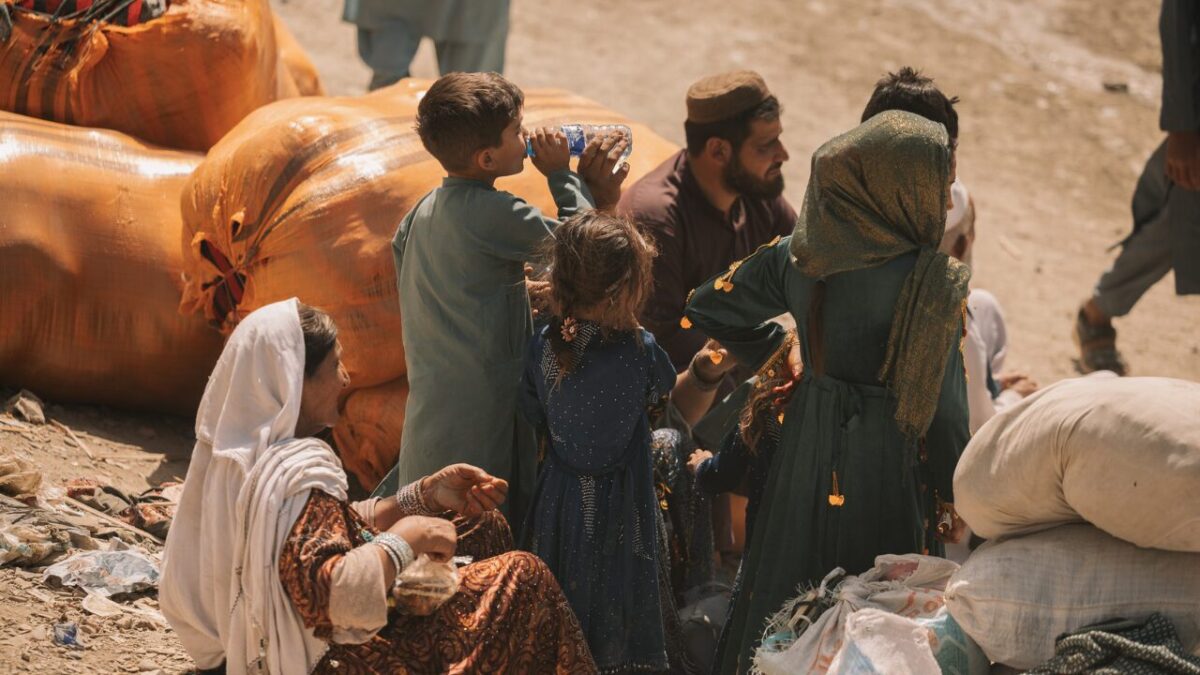
According to the commission, 5,855 migrants were deported from Pakistan and another 607 from Iran on Wednesday. The returnees crossed into Afghanistan through the major border points of Spin Boldak and Bahramcha (from Pakistan), and Islam Qala and Pul-e-Abrisham (from Iran). The deportations included both forced and “voluntary” returns, though aid groups and rights activists have repeatedly questioned the voluntary nature of many returns amid crackdowns.
The expulsions follow a sharp escalation in deportations by Pakistan after an eight-day military standoff with the Taliban along the Durand Line in October. Following those clashes, Pakistan ordered all undocumented foreigners — most of whom are Afghan nationals — to leave the country by November 1 or face forced removal. Since then, tens of thousands have been sent back, many of them without homes or jobs waiting for them in Afghanistan.
A day earlier, on Tuesday, Pakistan deported another 7,324 Afghans, while Iran sent back 645, according to the same commission.
The surge in returns comes at a time when Afghanistan remains mired in one of the world’s worst humanitarian crises. Millions of Afghans are already facing extreme poverty, food insecurity, and lack of access to basic services.
Human rights organizations have warned that mass deportations — particularly of women, children, and vulnerable individuals — risk deepening the crisis. Many of those expelled have spent years, even decades, in Pakistan and Iran, where they built families and livelihoods.
Pakistan’s government has defended the expulsions, citing national security concerns and accusing Afghan-based militants, particularly the Tehrik-i-Taliban Pakistan (TTP), of launching attacks from Afghan soil. Islamabad has urged the Taliban to take action against such groups — a demand that has been at the center of recent failed negotiations between the two sides in Istanbul.
Iran, meanwhile, has also stepped up its enforcement. Majid Ahmadi, Director-General of Iran’s Bureau for Aliens and Foreign Immigrants Affairs, said this week that Afghan laborers will now only be allowed to enter Iran through official work visas issued by the Iranian embassy in Kabul. Employers in Iran must sponsor these workers directly, and unregistered migrants will face expulsion.
Rights groups have criticized both countries for what they describe as coordinated mass expulsions that violate international principles of refugee protection. The United Nations and aid agencies have called for a halt to forced returns and urged neighboring states to work with humanitarian actors to ensure safe and dignified repatriation.