Afghanistan’s education system is in an “unprecedented crisis,” with millions of children — especially girls — deprived of schooling due to Taliban restrictions, teacher shortages and economic hardship, according to a new joint report by UNICEF and UNESCO released Wednesday.
The report, titled “Afghanistan’s Education Status 2025,” warns that the future of Afghan children is at risk as learning poverty reaches record levels. It found that 90 percent of 10-year-old children cannot read a simple text, and that the education system is on the verge of collapse.
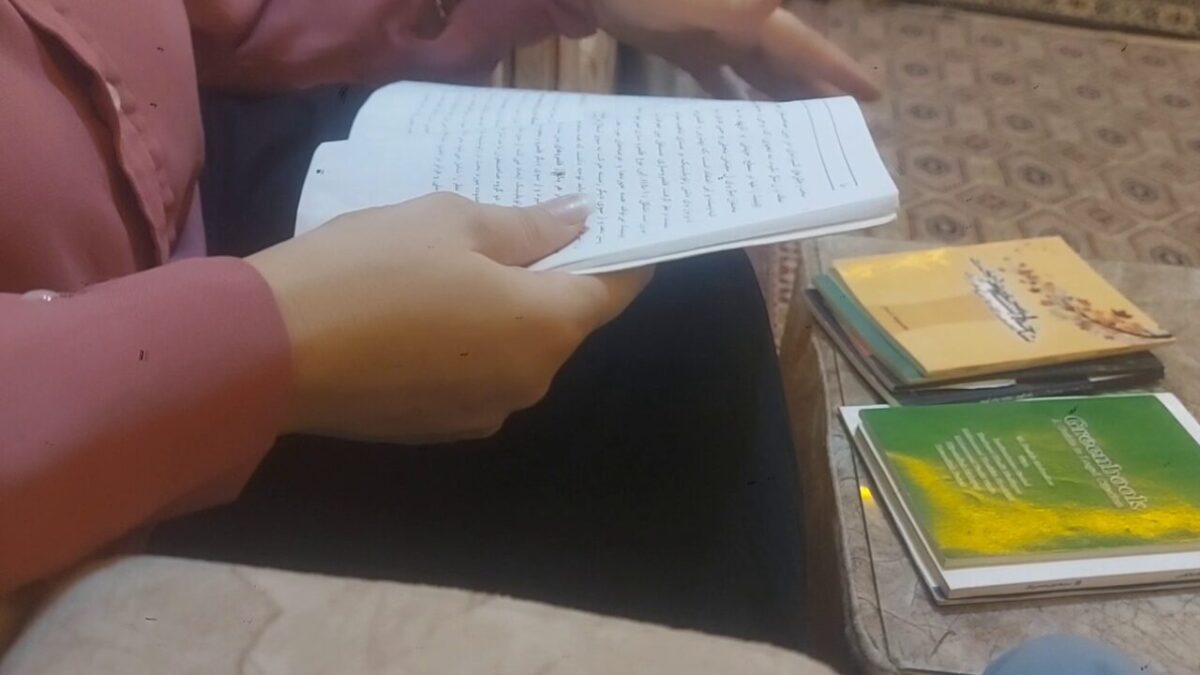
UNICEF and UNESCO said that Taliban-imposed bans on girls’ education have barred 2.2 million girls from attending secondary school. If the restrictions remain, nearly 4 million girls could be excluded from both secondary and higher education by 2030.
Enrollment among boys has also stagnated, while the number entering higher education fell by 40 percent between 2019 and 2024, leaving secondary education the most fragile part of Afghanistan’s school system.
The report further estimates that excluding women and girls from education could cost Afghanistan up to $9.6 billion by 2066— equivalent to two-thirds of the country’s current GDP.
“The Taliban’s restrictions, severe teacher shortages—especially among women—lack of materials, weak oversight, and outdated infrastructure have all combined to erode the quality of education,” the report said.
UNICEF Representative Alice James called for urgent action to address the mental and educational well-being of children, saying: “Every child has the right to care, compassion, and hope.”
In the report, UNICEF and UNESCO urged the Taliban to immediately lift all bans on girls’ education and women’s access to learning and work.
Since returning to power in 2021, the Taliban have barred girls above sixth grade from attending school and later banned women from universities and most forms of employment. Rights groups and UN officials have repeatedly denounced these policies as gender apartheid, calling them one of the most extreme examples of systemic discrimination in the world today.