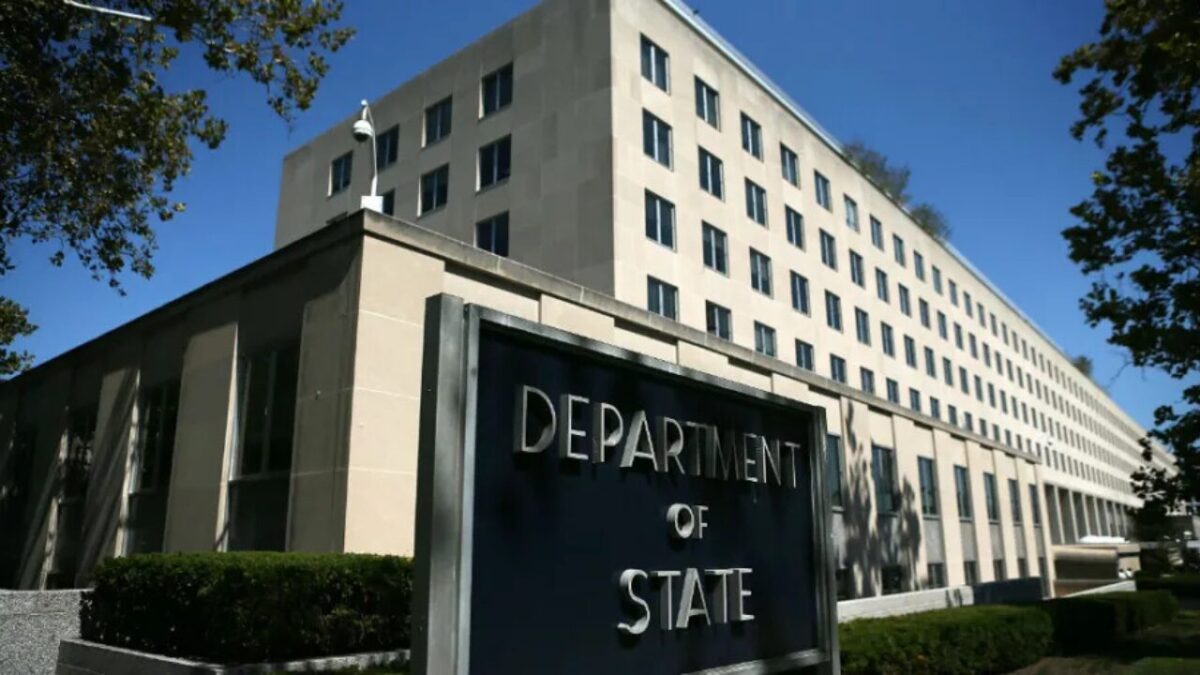
The United States is regularly engaging with former Afghan Republic officials, civil society activists, journalists and independent media as part of its strategy to support the Afghan people while holding the Taliban accountable, according to a new State Department report to Congress.
The report, submitted under Section 7044 of the foreign operations appropriations law, outlines how the U.S. plans to protect the rights of Afghan women and girls, sustain higher education programs, and continue support for Afghan media and civil society, including those operating in third countries.
The State Department said its Afghanistan Affairs Unit, based in Doha, Qatar, maintains outreach with non-Taliban Afghans inside the country to gather information on conditions and address concerns. Through this channel, U.S. officials engage civil society and media groups on issues including women’s rights and freedom of expression. Washington also coordinates with international partners to ensure the global community presents a unified front in pressuring the Taliban to honor commitments.
“When it is in our national interest, the Department of State strategically engages with the Taliban,” the report said, noting that the group remains a U.S.-designated Specially Designated Global Terrorist organization. Such contacts are limited to issues of counterterrorism, counternarcotics, detainee releases, and financial transparency.
The report emphasizes an “America First” approach that prioritizes counterterrorism, narcotics control, curbing irregular migration, and the safety of U.S. citizens. Officials argue that many of these objectives also benefit Afghans by promoting stability and a more secure environment.
On education, the United States continues to fund the American University of Afghanistan (AUAF) through online programs and support for Afghan students studying at institutions in South Asia and the Middle East. The department highlighted two scholarship initiatives: the $50 million Women’s Scholarship Endowment, managed by Texas A&M University, which funded 169 Afghan women during the 2024–25 academic year across eight universities in seven countries; and the $20 million Supporting Student Success in Afghanistan program, which supported more than 1,050 Afghan students at AUAF this academic year.
The report also reaffirms U.S. support for Afghan civil society groups, independent journalists, and media organizations, saying these efforts are essential to preserving freedom of expression and documenting human rights conditions under Taliban rule.
The U.S. continues to back health, basic education, and community-based schooling inside Afghanistan, while stressing that much of its assistance is being channeled through international and regional partners rather than directly through Taliban authorities.
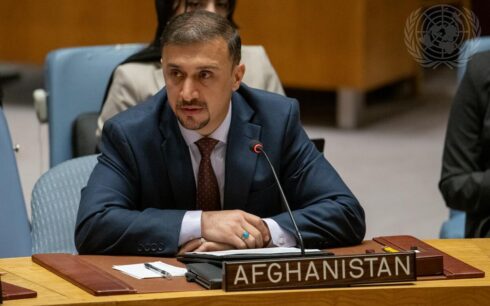
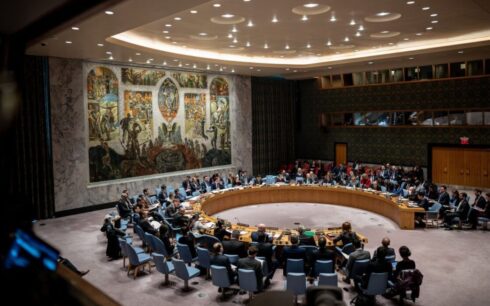
At the United Nations, Washington remains an active participant in the ongoing UN-led political process on Afghanistan, pushing for accountability measures when the Taliban fail to uphold obligations.
“The government’s resources can’t cope,” the report warns, pointing to Afghanistan’s overlapping crises of economic collapse, aid cuts, and climate-related disasters. It underscores that humanitarian and development assistance will remain crucial to addressing the basic needs of Afghans, particularly women and vulnerable communities.