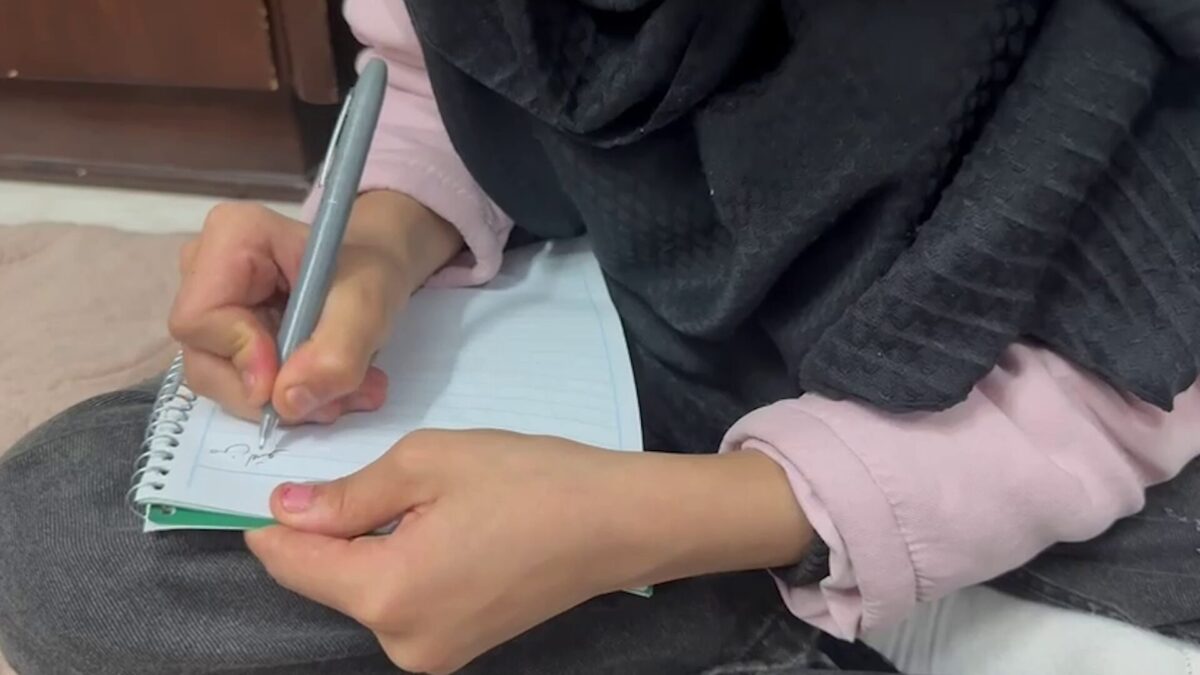
It has been 1,000 days since the Taliban barred women from attending universities, a move that has left tens of thousands of young women with their education and futures in limbo.
The Taliban’s Ministry of Higher Education announced the suspension on Dec. 20, 2022, ordering universities and higher education institutes to close their doors to female students.
Marking the milestone, activists and students say the restrictions have deepened, with the Taliban also beginning to cut internet access across several provinces — depriving women who had turned to online classes of their last option to study.
Malika, a former third-year medical student, said the ban ended her dream of becoming a doctor. “It has been 1,000 days since universities were closed to us. I was supposed to become a doctor and had hope for my studies and work. Today I sit at home and grow more depressed every day,” she told Amu TV. “Our lives and futures are destroyed. Some girls are confined in despair, and others are forced into marriage.”
According to UNESCO, more than 100,000 young women have been denied higher education since the ban began. The closures followed earlier restrictions on girls’ secondary education, part of a broader Taliban crackdown on women’s rights since their return to power in 2021.
Rights groups and international agencies warn that Afghanistan is now the only country in the world where women and girls are banned from both secondary and higher education, calling it a violation of fundamental human rights.