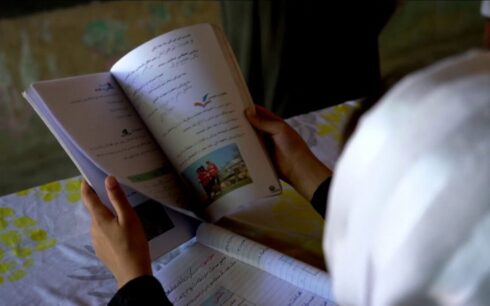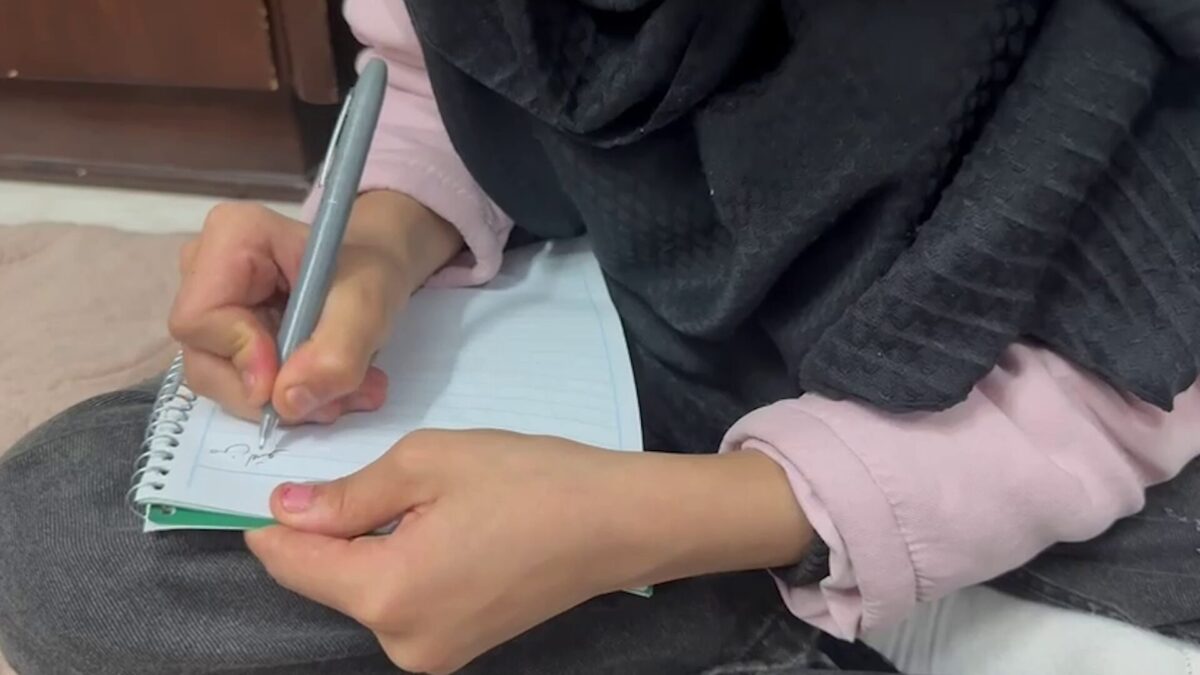
A new United Nations survey reveals that 92% of Afghans support girls’ right to an education, underscoring widespread belief in its importance amid stringent Taliban-imposed restrictions.
The nationwide survey, conducted in person with over 2,000 Afghan citizens, assessed women and girls’ conditions across ten critical areas—including education, employment, safety, and freedom of movement—with both rural and urban respondents showing high levels of support for girls’ continued education.
In rural areas, 87% of men and 95% of women expressed support. In urban areas, both men and women registered a 95% approval rate.
Sofia Caltorp, head of humanitarian affairs for UN Women, said, “Despite the existing bans, the people of Afghanistan want their daughters to have the right to education. In a country where half of the population lives below the poverty line, education is the difference between despair and hope.”
Yet even with public backing, life remains dire for many Afghan women, who say that the restrictions on education and work have left them struggling to feed their families and facing an uncertain future.
“One of my studies was cut short and now we’re not even allowed to work,” said Khyber, a resident of Farah province. “After investing years in education and career, the government’s bans have made our lives a constant struggle.”
The survey also highlights the toll of Taliban policies on women’s daily lives:
97% of working women report that restrictions have disrupted their routine activities.
Three-quarters describe their mental health as “poor” or “very poor.”
Three out of four women say they have no role in social decision-making; half say they lack a say in family decisions; and one-quarter say they cannot influence decisions within their homes.
14% of women leave home only once a week; only 41% venture out at least once daily.
“My economy is very weak, and I’m the sole breadwinner in my home,” said a Kabul resident, speaking anonymously. “There’s no aid for us. Some nights, my children go to bed without bread.”
UN Women warned in its report that, nearly four years after the Taliban banned girls’ education and formalized restrictions with the enactment of its Taliban-mandated virtues law, the erosion of women’s rights in Afghanistan has become disturbingly normalized and codified.