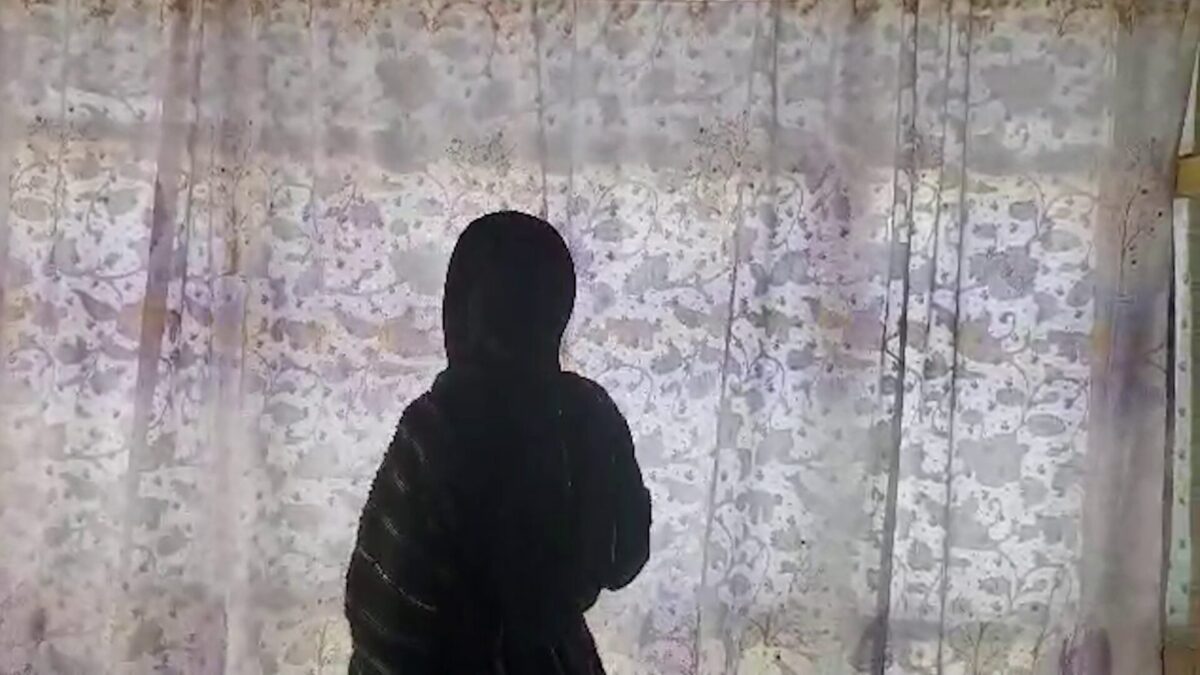
For 19-year-old Amina, the dream of becoming a doctor ended the day the Taliban shut the doors of girls’ schools and universities.
Amina, a twelfth-grade student from Logar province, has not set foot in a classroom for 1,437 days. First, she was barred from continuing her education after sixth grade. Then, when she tried to earn a living as a beautician, the Taliban shut that path down, too.
“I wanted to become a doctor, but with the closure of universities for girls, I could not achieve my goal,” Amina said. “After being deprived of education, I turned to beauty work. But the Taliban even took that away from me.”
Her story reflects the daily reality of thousands of Afghan women and girls who have endured sweeping restrictions under Taliban rule since August 2021. They say they have been denied not only education and work, but also the freedom to move about their communities.
“For four years, the Taliban have deprived our daughters of learning,” said Sajeda, another resident of Logar. “Our daughters cry day and night. We have no hope for the future.”
Asma, also from Logar, said that even seeking healthcare has become nearly impossible. “The Taliban oppress us and do not even allow us to leave our houses,” she said. “Without a male guardian we cannot visit a doctor, and this situation has left us hopeless.”
Residents in Logar say the Taliban’s morality police enforce these rules with cruelty, sometimes treating women in ways they describe as humiliating and un-Islamic.
Rights groups estimate that millions of girls remain excluded from secondary and higher education across Afghanistan. In addition to banning women from schools and universities, the Taliban have prohibited them from most jobs, from entering parks and gyms, and from traveling without a male guardian.
Human rights organizations and the United Nations have repeatedly condemned the policies as violations of international law, with some describing them as a form of “gender apartheid.”
For Amina and others like her, the restrictions have brought despair, but also a determination to resist. “They have taken away our dreams and opportunities,” she said. “But we will keep struggling for a brighter future.”