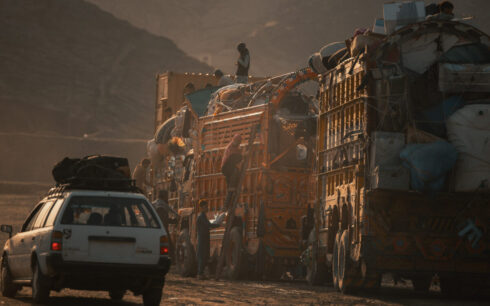
The United Nations refugee agency has warned that Afghanistan is in the midst of a mounting humanitarian crisis, as the number of returnees surpasses two million — most of whom have come back involuntarily.
In a statement posted to X, the UN High Commissioner for Refugees said the sudden influx, primarily from Iran and Pakistan, is straining the country’s already limited support systems and urgent international assistance is needed.
The report reveals that in just the first half of this year, more than 1.4 million Afghans have returned, including nearly one million from Iran and over 600,000 from Pakistan — of whom approximately 350,000 were forcibly expelled. Many returnees endured violent home raids, arbitrary arrests, and separation from family members and arrived with no assets or support systems in place.
The head of the International Organization for Migration (IOM) described the situation for returning Afghans as “critical,” noting that existing aid capacity can only meet essential needs for one in ten people.
“At the Afghanistan-Iran border, thousands of Afghans arrive each day — carrying only the clothes on their backs. They come exhausted, frightened, fearful for an uncertain future. Many have been away for decades and are now returning to a country struggling with major challenges. The most vulnerable, especially women and girls, often arrive alone or separated from their families. Many lack housing, support, and access to essentials such as healthcare, food, and security,” said IOM Director-General Mohammed Abdiker.
Meanwhile, Pakistan has reinstated policies for forced deportations. Though Islamabad stated that the phased return of Afghan migrants with temporary-residence cards would commence on September 1, Reuters reports that authorities began detaining and deporting hundreds of documented migrants between July 31 and August 4.