Iran has become Afghanistan’s principal trade corridor after prolonged disruptions along the Pakistan border forced traders to reroute imports and exports, a shift the World Food Program says is raising transport costs, increasing food prices and deepening the country’s humanitarian crisis.
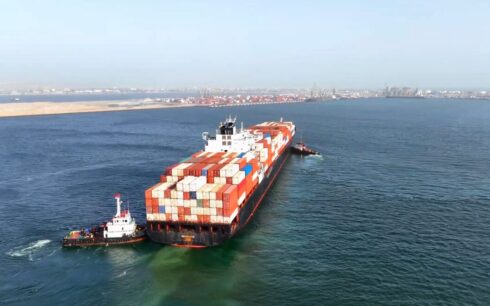
In a report released on Friday, the UN agency said about 60 percent of Afghanistan’s trade now passes through western routes via Iran, marking a significant change in the country’s trading patterns after official trade through Pakistan was suspended in late 2025. At the same time, imports through Central Asian rail corridors have expanded sharply as businesses search for alternatives to Pakistan’s traditional transit routes.
Although traders have largely succeeded in maintaining the flow of goods, the new routes are considerably longer and more expensive, the report said, increasing the cost of food, fuel and agricultural supplies across Afghanistan.
The World Food Program warned that the shift comes as Afghanistan faces what it described as multiple overlapping shocks, including border closures with Pakistan, regional instability linked to the Middle East conflict, declining humanitarian funding and the return of millions of Afghan migrants from neighboring countries.
According to the report, these combined pressures are worsening food insecurity across the country.
The cost of a basic food basket increased by 10 percent between October 2025 and April 2026, while the share of households with acceptable food consumption declined from 28 percent to 20 percent during the same period.
Nearly 72 percent of households reported falling incomes, and 57 percent said they were resorting to crisis-level coping strategies, such as reducing meals or selling productive assets, to meet basic needs.
The agency estimates that 13.8 million people in Afghanistan are currently experiencing crisis or emergency levels of food insecurity.
Under a worst-case scenario in which Pakistan’s border remains closed and regional tensions continue, the number of Afghans facing acute hunger could increase by another 2.3 million people within six months.
The report identifies Pakistan’s border restrictions as one of the principal drivers of rising prices.
Compared with October 2025, the price of Pakistani rice has increased by 38 percent, tomatoes by 71 percent, potatoes by 105 percent, sugar by 27 percent and cooking oil by 12 percent. Fuel prices have also risen by 13 percent, reflecting Afghanistan’s dependence on imported petroleum products.
Agriculture has also come under increasing pressure.
The loss of Pakistan as a major import route, combined with higher global fertilizer prices, has pushed fertilizer costs sharply upward. By April 2026, prices for diammonium phosphate fertilizer had risen 18 percent year-on-year, while urea prices increased 36 percent, raising concerns over future agricultural production.
Meanwhile, Afghanistan’s labor market is struggling to absorb the growing number of returnees.
Since 2023, about 6 million Afghans have returned from Iran and Pakistan, according to data cited in the report.
Only around 20 percent of returnees have secured formal employment, while unemployment among returnees reaches 80 to 95 percent in some areas. Those who do find work generally earn 15 to 30 percent less than other workers, increasing pressure on already fragile household incomes.
The deteriorating economic conditions are also contributing to a worsening nutrition crisis.
The World Food Program estimates that 3.7 million Afghan children will suffer from acute malnutrition this year—the highest number ever recorded in the country.
However, because of severe funding shortages, the agency expects to reach less than one-third of the children requiring treatment.
Nutrition programs have also been affected by disruptions to imports of specialized therapeutic food from Pakistan, while southern Afghanistan faces particularly acute shortages because of high relapse rates and limited humanitarian assistance.
The report said humanitarian operations themselves have become significantly more expensive.
Aid agencies have increasingly relied on longer transport routes through Iran and Central Asia after traditional corridors through Pakistan became inaccessible. As a result, transport costs have risen by between 2.5 and five times, while delivery times for some shipments have increased from about 10 days to as long as 75 days.
Despite the expansion of alternative routes, the World Food Programme said reopening trade through Pakistan would be the single most effective measure to stabilize Afghanistan’s food security situation.
Its analysis found that restoring normal cross-border trade with Pakistan would substantially reduce projected increases in food insecurity, even if broader regional tensions persist.
The agency also called for increased international funding, stronger food security monitoring and more flexible humanitarian assistance, warning that continued trade disruptions and declining aid could leave millions more Afghans without adequate food and essential services.