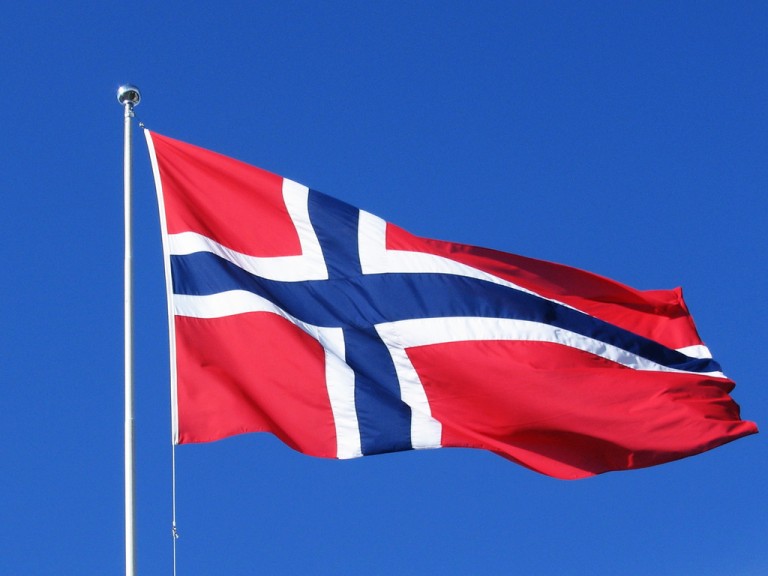
Norway has joined growing international criticism of the Taliban’s newly enacted family law regulation, urging the Taliban to respect international human rights obligations and end discrimination against women.
In a statement posted on X, Norway’s diplomatic mission for Afghanistan echoed concerns raised by the United Nations Assistance Mission in Afghanistan (UNAMA) over the Taliban’s recently adopted Decree No. 18, known as the “Code on Judicial Separation of Spouses.”
“Afghanistan must honor its international human rights obligations — ending discrimination against women, protecting children’s rights, and guaranteeing justice, dignity, and equal rights for all,” the Norwegian mission said.
Norway does not maintain an embassy in Afghanistan. Since the Taliban returned to power in 2021.
The statement follows a warning issued this week by UNAMA, which said the decree further erodes the rights of Afghan women and girls and deepens systemic discrimination.
According to UNAMA, the regulation establishes a legal framework under which men retain the unilateral right to divorce, while women must pursue restrictive judicial procedures to seek separation from a spouse. The UN mission said the measure limits women’s autonomy and access to justice.
UNAMA also expressed concern that provisions addressing married girls who reach puberty appear to recognize child marriage and allow a girl’s silence to be interpreted as consent to marriage, raising questions about compliance with international standards on children’s rights and free consent.
The regulation was approved by Taliban leader Hibatullah Akhundzada and published in the Taliban’s official gazette on May 14. It outlines rules governing marital separation under a range of religious and legal circumstances.
The decree has drawn criticism from Afghan and international rights groups. More than 100 human rights organizations have called for its repeal, arguing that it institutionalizes gender discrimination and further restricts the rights of women and girls.
The Taliban have defended the regulation, saying it is based on their interpretation of Islamic law.
The criticism from Norway adds to a widening international response to the decree, with UN officials, human rights organizations and several Western governments warning that recent Taliban measures continue to undermine the rights and freedoms of Afghan women and girls.