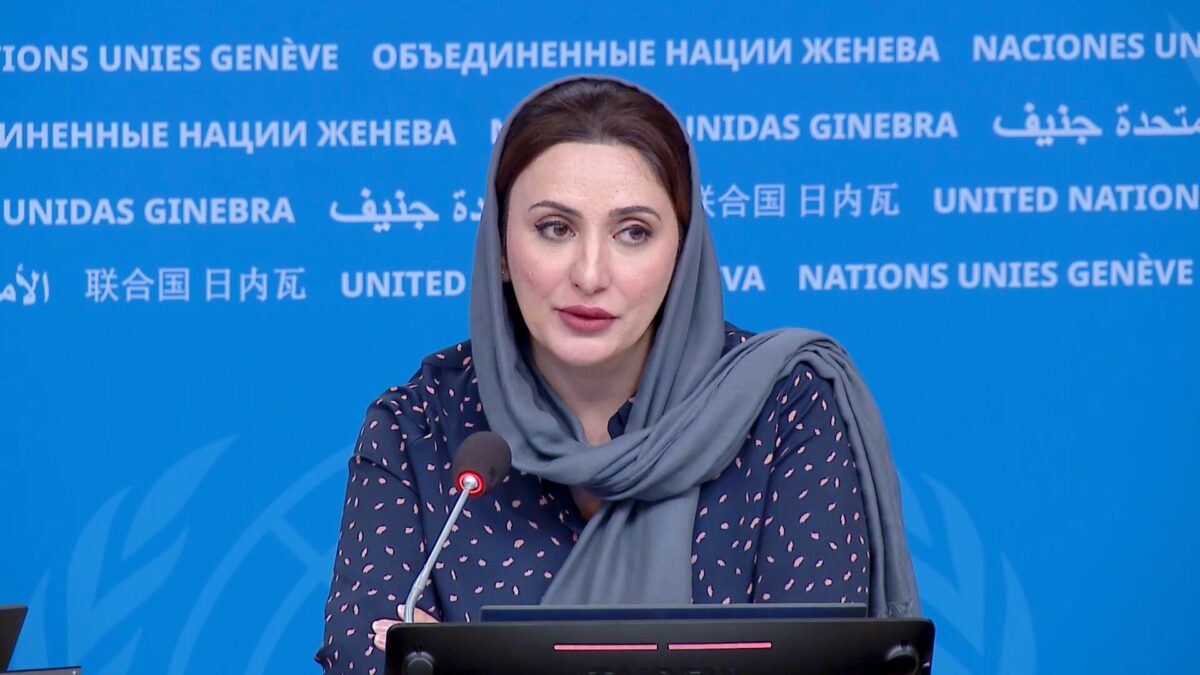
Addressing a press conference, UN human rights spokesperson Shabia Mantoo warned against forced returns to Afghanistan, saying deportees face serious risks of persecution, abuse and other human rights violations.
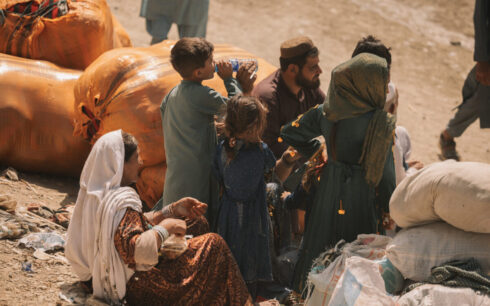
She said Afghan women, men and children are being sent back against their will from countries where they had sought protection.
“Afghan women, children and men continue to be pushed out of countries where they had sought safety, forcing them to return to Afghanistan against their will and exposing them to grave risk,” Mantoo said.
According to figures cited by the UN refugee agency, nearly 270,000 Afghans have been deported to Afghanistan since the beginning of the year, primarily from Iran and Pakistan. Smaller numbers have also been returned from Türkiye and Tajikistan.
The latest returns follow a sharp rise in deportations last year, when more than 1.2 million Afghans were expelled from Iran and another 150,000 from Pakistan, according to UN data.
The UN warning comes amid growing international concern over the treatment of returnees. A joint report published last year by the UN Assistance Mission in Afghanistan and the Office of the High Commissioner for Human Rights found that some Afghans who were forcibly returned faced arbitrary arrest, detention, torture and other forms of ill-treatment by the Taliban.
The report identified women and girls, former government officials and security personnel, journalists, civil society activists and members of the LGBTQ+ community among those at particular risk of reprisals and rights violations.
“Returning individuals at serious risk of human rights violations involuntarily to Afghanistan runs contrary to the core international law principle of non-refoulement,” Mantoo said, referring to the international legal prohibition on returning people to places where they face persecution or serious harm.
She urged governments to comply with their international obligations and avoid actions that could expose Afghans to irreparable harm.
The UN also expressed concern over proposed changes to European Union migration policies that could make it easier to deport asylum seekers.
“As several EU member states call for a more coordinated approach to returns of Afghan nationals, we are also alarmed at mounting reports that some countries in Europe are now resuming or considering deportations despite the very severe human rights situation in Afghanistan,” Mantoo said.
The UN human rights office said any return decisions should be based on individual risk assessments conducted in accordance with international refugee and human rights law.
Beyond the human rights situation, the UN noted that Afghanistan continues to face a severe humanitarian crisis and rising insecurity. The country has experienced escalating cross-border hostilities with Pakistan since late 2025, and the final months of last year recorded the highest civilian casualty rates documented since the Taliban returned to power in 2021.
The warning comes as neighboring countries continue efforts to remove large numbers of undocumented Afghans, placing additional strain on an economy already struggling with widespread poverty, unemployment and declining international aid.