The United Nations welcomed a new $1.8 billion humanitarian funding package from the United States, saying the support would help aid agencies expand emergency operations at a time of rising global crises and deepening financial shortfalls.
The funding, announced by the United States government, follows an earlier $2 billion allocation made in December and brings recent American humanitarian contributions through the UN-coordinated system to $3.8 billion.
UN Secretary-General António Guterres said the latest contribution would allow humanitarian organizations “to reach millions of people in the most urgent crises with lifesaving support.”
Tom Fletcher, the UN’s emergency relief coordinator, described the funding as critical as humanitarian agencies confront escalating demands caused by conflict, displacement, climate shocks and shrinking donor budgets.
“This support will help save millions of lives,” Fletcher said at UN headquarters in New York.
According to the United Nations, about 239 million people worldwide currently require humanitarian assistance.
Fletcher said the first tranche of U.S. funding announced in December had already enabled aid organizations to deliver emergency support to 14.4 million people during the first four months of 2026.
The earlier package targeted 18 crises globally and significantly increased the resources available through pooled humanitarian funds managed by the UN Office for the Coordination of Humanitarian Affairs.
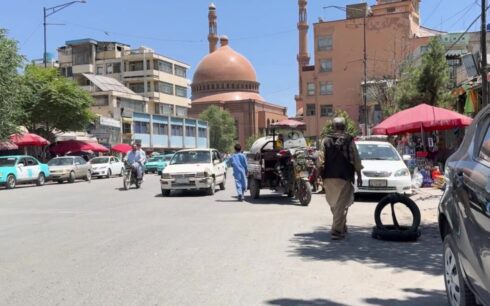
The new funding comes as humanitarian operations in countries such as Afghanistan face mounting pressure from funding shortages and growing needs.
Afghanistan remains one of the world’s largest humanitarian crises, with millions dependent on food aid, health services and emergency assistance after years of economic collapse, drought, displacement and restrictions imposed by the Taliban.
Recent assessments by UN agencies have warned that aid reductions are already affecting vulnerable families across the country.
The World Food Program recently said more than 13.8 million people in Afghanistan face acute food insecurity, while nearly five million children and pregnant or breastfeeding women are suffering from malnutrition.
Aid agencies have also warned that funding shortages have forced cuts to nutrition programs, health services and emergency support for women and children.
The UN Development Program in a new report this week said that that 74 percent of Afghans remained “subsistence insecure,” meaning they were unable to meet basic living needs.
Humanitarian organizations operating in Afghanistan have repeatedly warned that declining international assistance could further destabilize communities already struggling with unemployment, rising prices and the return of hundreds of thousands of Afghan migrants deported from neighboring countries.
According to the UN, the latest American funding package is already supporting food aid, safe drinking water, health services and malnutrition treatment programs in multiple crisis zones around the world.
More than six million people have received food assistance through the earlier allocation, while 10.4 million gained access to safe water, UN officials said.
The funding is also supporting more than 690 health facilities and treatment programs for hundreds of thousands of malnourished children.
Despite the new contribution, UN officials warned that humanitarian needs continue to outpace available resources.
The United Nations’ humanitarian response plan for 2026 seeks $23 billion to assist 87 million people worldwide.
“Our focus going forward,” Fletcher said, “is to secure the rest of the funding we need to deliver this ambitious plan.”