A group of Afghan women’s rights advocates and human rights activists have launched a new international network in Canada aimed at securing legal recognition of “gender apartheid” in Afghanistan.
The initiative, called the Network on Elimination of Gender Apartheid, or NEGA, was introduced at an event in Toronto on April 24, bringing together activists, policymakers and international rights experts.
Organizers said the network seeks to press governments and international institutions to formally define and criminalize systematic gender-based discrimination under international law, with a particular focus on policies imposed by the Taliban since their return to power in 2021.
“Recognizing gender apartheid is a global and urgent issue, and the world must acknowledge it in Afghanistan,” said Metra Mehran, a human rights activist.
The gathering, held in a hybrid format with both in-person and online participation, included panel discussions and remarks from prominent figures, including Richard Bennett and Heather Barr.

Participants criticized the Taliban’s policies toward women as systematic and institutionalized discrimination.
“Afghanistan has been turned into a prison for women,” said Najla Raheel, a human rights activist. “In such conditions, the world must recognize gender apartheid.”
Bennett said accountability efforts must center on the lived experiences of Afghan women and girls.
“It is essential to listen to the voices of victims and the daily experiences of women under Taliban rule,” he said. “Accountability in Afghanistan is not possible without supporting women and human rights defenders.”
He added that establishing a legal definition of gender apartheid within international frameworks could help governments better understand the nature of Taliban policies and respond more effectively.

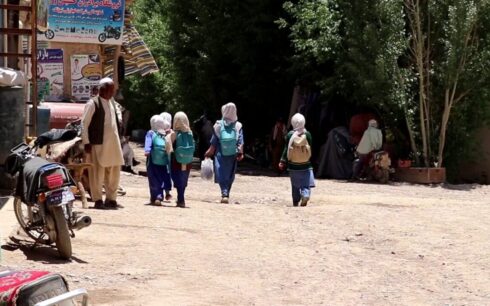
Since returning to power, the Taliban have imposed sweeping restrictions on women and girls, including barring them from secondary and higher education, limiting employment opportunities and restricting movement. Rights groups and international organizations have widely condemned these measures as violations of fundamental rights.
Calls to formally recognize “gender apartheid” have gained traction among activists and legal scholars in recent years, though the term has not been formally codified in international law.
Analysts say the launch of NEGA reflects growing efforts among Afghan diaspora communities and international advocates to push for stronger legal and political responses to conditions in Afghanistan.