Afghanistan is facing mounting humanitarian pressure as a sharp increase in returning refugees strains already overstretched services and fragile local economies, the UN Office for the Coordination of Humanitarian Affairs (OCHA) said on Wednesday.
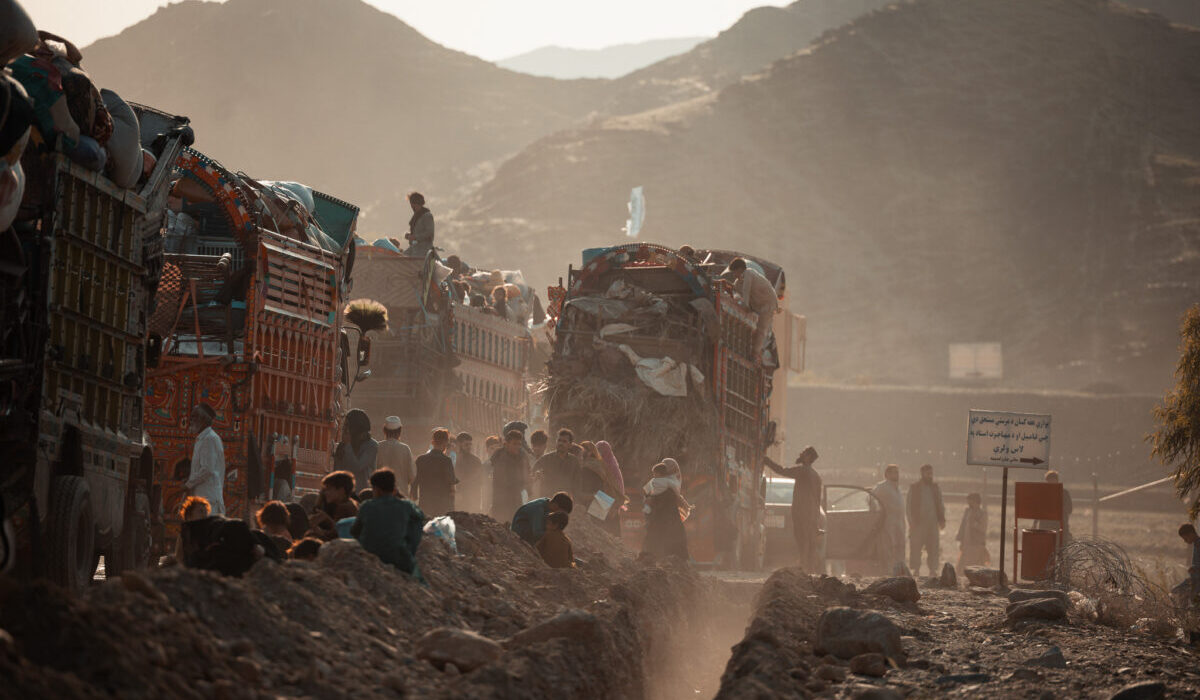
More than 190,900 people have crossed into Afghanistan from Iran and Pakistan since early April, a surge that has placed immediate pressure on border provinces and urban centers, particularly in the west of the country, OCHA said.
The influx comes as Afghanistan is already grappling with widespread need. An estimated 21.9 million people require humanitarian assistance, with 17.5 million targeted for aid under current response plans.
At the same time, about 115,000 people remain displaced following recent clashes along the Afghanistan-Pakistan border, compounding the strain on communities struggling to absorb new arrivals.
The United Nations said the surge in returns reflects broader regional pressures linked to rising costs, economic disruption and reduced opportunities in neighboring countries. For many families, returning to Afghanistan means re-entering a system already under severe stress, with limited access to jobs, services and humanitarian assistance.
“These pressures are intersecting with already stretched household economies,” the report said, warning that the influx risks further eroding families’ ability to cope.
The impact is particularly acute in border regions, where basic services were already limited before the recent wave of returnees. Aid agencies say the growing population is placing additional strain on food supplies, health services and shelter.
The report says that rising costs are compounding the situation. The price of a basic food basket has increased by 6.8 percent, while the cost of transporting aid has risen by about 20 percent, making it harder to deliver assistance to those in need.
The economic shock is tied in part to disruptions in global trade and energy markets linked to tensions in the Middle East, the report said. Reduced maritime traffic through the Strait of Hormuz has driven up fuel prices and shipping costs, effects that are now being felt in Afghanistan through higher food prices and reduced purchasing power.
Aid groups warn that the convergence of returning refugees, rising prices and limited livelihood opportunities could deepen food insecurity, particularly in communities dependent on seasonal agriculture and daily labor.
The United Nations said that without sustained support, the combined pressures risk overwhelming local systems and pushing more families into vulnerability.
Across the region, the report estimates that tens of millions of people are facing similar pressures, but Afghanistan remains among the most severely affected.