A group of 100 human rights advocates and women’s rights activists has called on Melania Trump to use her public platform to draw attention to the situation of women and girls in Afghanistan.
In an open letter addressed to the US first lady, the signatories said their appeal was partly inspired by her past efforts to highlight the plight of children affected by war. They expressed hope that her voice could help refocus international attention on Afghan women and children at risk of being overlooked.
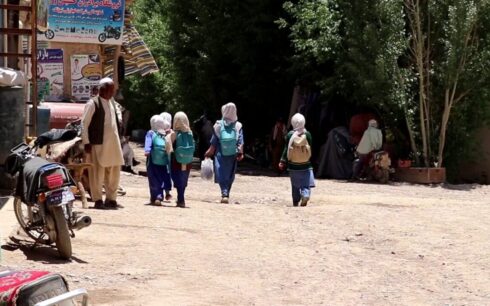
The activists described a worsening situation for women and girls in Afghanistan, saying that those who once aspired to become doctors, teachers and journalists are now largely excluded from education, while many mothers struggle to feed their children amid rising malnutrition.
“In many communities across Afghanistan, women have been almost entirely pushed out of public life,” the letter said, adding that the future for children — especially girls — has become increasingly constrained.
The signatories urged Melania Trump to use what they described as a platform that “goes beyond politics,” arguing that public attention from high-profile figures can influence governments and shape media coverage.
“When you focus attention on an issue, people listen. Governments take notice. The media follows,” the letter said. “This influence can help ensure that Afghan women and children are not forgotten amid competing global crises.”
The letter also called for practical steps, including speaking publicly about girls’ education, meeting with organizations working directly with Afghan women and supporting sustained humanitarian efforts.
“Even small actions matter,” the letter said. “Visibility can lead to protection, and attention can translate into assistance.”
Among the signatories are Sadeq Amini and Tahmina Safi, along with dozens of other civil society activists and advocates for girls’ education.
The letter emphasized that moments of global attention present an opportunity for those with influence to act. “Right now, that attention exists,” the signatories wrote, expressing hope that it could be used to prevent Afghan women and children from being overlooked.