The United Nations Security Council has updated identifying information for four senior Taliban officials, including their chief minister and foreign minister, in the latest adjustment to a long-standing sanctions regime targeting the Taliban’s leadership.
The changes, announced Monday by the UN Security Council’s 1988 Sanctions Committee, apply to Mohammad Hassan Akhund, the Taliban’s chief minister; Abdul Ghani Baradar, his deputy for economic affairs; Amir Khan Muttaqi, the Taliban foreign minister; and Hedayatullah Badri, the Taliban minister of mines and petroleum.
The revisions do not impose new sanctions but update personal details, including aliases and identifying information, used to enforce existing measures such as asset freezes, travel bans and arms embargoes. Mohammad Hassan Akhund is also listed under the name “Mullah Haji,” while Hedayatullah Badri is identified as “Gul Agha Ishaqzai,” names associated with their former roles within the Taliban.
The sanctions fall under a Security Council resolution adopted in 2026 and are enforced under Chapter VII of the UN Charter, making them binding on all member states.
The 1988 sanctions regime, established to target Taliban members and affiliates, is updated periodically based on information provided by governments and international organizations. The committee said the revised entries are reflected in the United Nations’ consolidated sanctions list, which is publicly accessible and used by governments and financial institutions to implement restrictions.
The update follows a broader revision last month, when the committee reviewed and updated entries for 22 Taliban officials, reaffirming that they remain subject to international sanctions. Those individuals include several of the Taliban’s most senior figures, among them ministers, deputy prime ministers and intelligence officials.
Despite the sanctions, Hibatullah Akhundzada, the Taliban’s supreme leader, is not included on the list — an omission that has persisted across previous iterations.
The current sanctions framework covers a wide range of Taliban leaders, including Sirajuddin Haqqani, their interior minister; Abdul Salam Hanafi, a deputy prime minister; and Abdul Haq Wasiq, head of Taliban intelligence, among others. In total, more than 30 individuals linked to the Taliban remain designated under the regime.
The mandate of the sanctions committee was recently extended for another year, ensuring continued monitoring of Taliban-linked individuals and entities. The process of updating entries — often involving aliases, dates of birth, and other identifiers — is intended to improve enforcement by reducing ambiguity in tracking sanctioned individuals across jurisdictions.
While such updates are procedural, they reflect the continuation of international pressure on the Taliban leadership, even as the Taliban remain in control of Afghanistan and seeks greater diplomatic engagement.
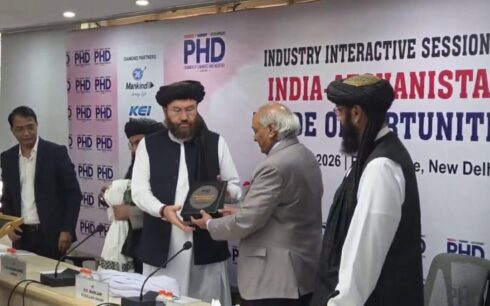
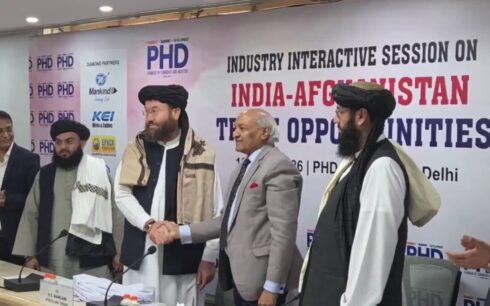
This also comes that many Taliban officials, including Abdul Ghani Baradar and Amir Khan Muttaqi, have made foreign trips despite being under the UNSC sanctions.