UN Special Rapporteur Richard Bennett called for an independent investigation into the deadly attack on Shiites in Herat province in western Afghanistan that killed at least 12 people, saying perpetrators should be brought to justice.
Bennett attack should be “not only condemned but independently investigated and perpetrators brought to justice.”
“Yesterday’s vicious attack by gunmen on members of a Shia community … appears to fit a pattern,” Bennett wrote on X, offering condolences to victims’ families and wishing a speedy recovery to the injured.
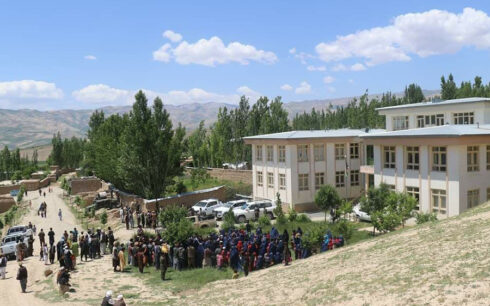
The comments came a day after gunmen opened fire on civilians in Injil district of Herat, in western Afghanistan.
Local sources said at least 12 people were killed and 20 others wounded in the attack, which took place in the Deh Miri area, near a shrine frequented by Shiite visitors. Among the dead were two women and a child, and several of the wounded remained in critical condition, according to sources form Herat’s Regional Hospital.
Witnesses described a coordinated assault by four armed men on motorcycles who intercepted civilians around 2 p.m on Friday, April 10. The attackers, their faces covered, reportedly robbed the victims before separating men and women and opening fire.
“They took everything first, then started shooting,” one witness said.
Survivors said many of those targeted had gathered for a religious visit, raising concerns that the attack may have been sectarian in nature.
The victims were later transported by local residents to Herat’s regional hospital, where most of the injured were being treated for orthopedic injuries, according to sources at the facility.
Taliban have provided lower casualty figures. Abdul Mateen Qanay, spokesman for the Taliban interior ministry, said that at least seven people had been killed and 13 wounded, adding that an investigation was underway.
No group has claimed responsibility.
Violence targeting Afghanistan’s Shiites, particularly the Hazara community, has been a recurring concern in recent years, often attributed to extremist groups such as ISIS-K. United Nations reports and independent monitors have documented dozens of such attacks since 2021, targeting mosques, schools and public spaces and killing or injuring hundreds of civilians.
While the frequency of large-scale attacks has fluctuated, targeted violence has persisted despite Taliban assurances of improved security.