Afghanistan’s nationwide medical licensing test, commonly known as the “exit exam,” was on Friday for the fourth consecutive year without female candidates, as Taliban continue to bar women from entering the country’s formal health workforce.
The exam is required for graduates of medical and dental faculties to obtain a license and begin practicing as doctors. Taliban said about 7,000 male graduates took part across the country.
But female graduates were again excluded — a policy that has effectively halted the entry of new women doctors into Afghanistan’s already strained health system.
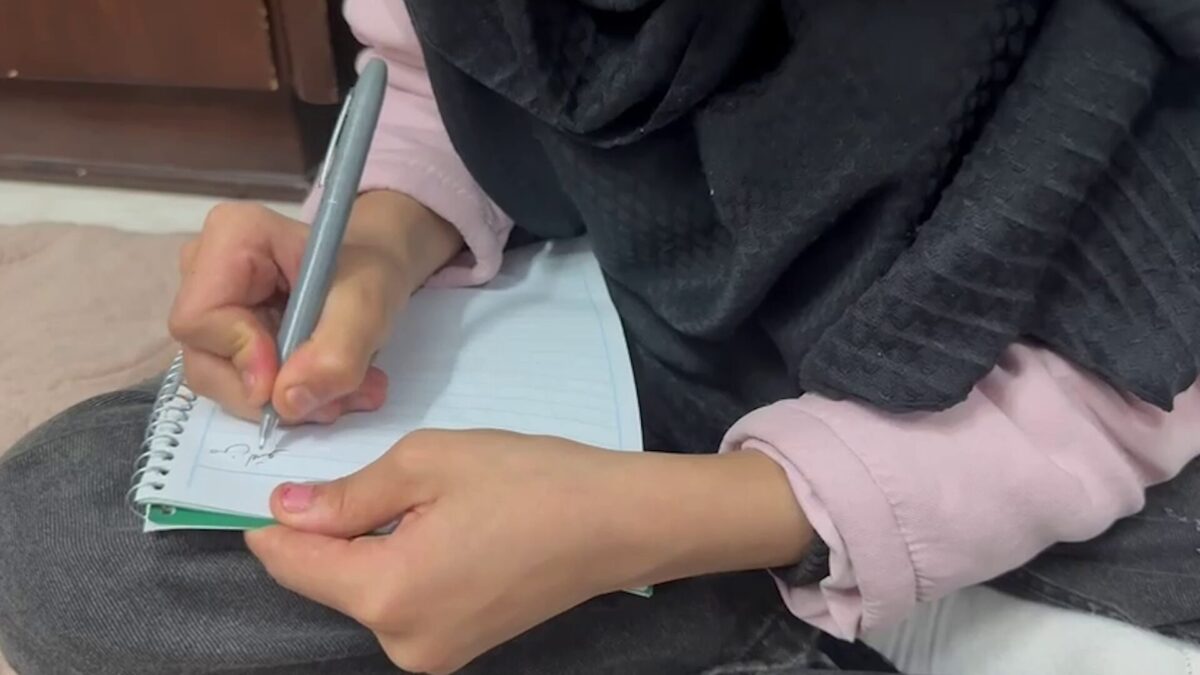
Several women who completed years of medical training said the restriction had left them unable to work or continue their professional development.
“I studied medicine with great difficulty,” said Diba, a medical graduate who was prevented from taking the exam. “I had finished my studies and was about to take the exit exam, but I was not allowed. I could not specialize or work. Years of my life have been wasted.”
The ban comes at a time when Afghanistan faces acute shortages of female health workers, particularly in a system where cultural norms often require women to be treated by women.
The United Nations Population Fund has warned that millions of women and girls in Afghanistan lack access to basic health services, with the shortage of female medical staff cited as a major barrier. Afghanistan remains one of the most dangerous places in the world to give birth, the agency says, with maternal mortality at persistently high levels.
A 2024 United Nations report similarly found that many births take place without skilled health personnel, increasing the risk of death for both mothers and newborns.
Health experts say the Taliban’s restrictions — including closing medical universities to women, blocking female graduates from the exit exam and limiting the operation of medical institutes — are compounding the crisis.
The consequences have become increasingly visible. Following a major earthquake in eastern Afghanistan last year, the World Health Organization said the lack of female doctors hindered efforts to treat injured women, highlighting the system’s structural gaps.
The UN estimates that 6.3 million people, most of them women and girls, are at risk of losing access to essential health services. Without trained female professionals entering the workforce, experts warn, those gaps are likely to widen.
With the continued exclusion of women from both education and licensing, Afghanistan is now producing virtually no new female health workers, a trend that aid organizations say could have long-term consequences for public health across the country.