The Taliban’s deputy chief minister’s office on Wednesday informed of approving 17 development projects worth more than 1 billion Afghanis, roughly $15.8 million, including construction of a medical faculty in Badakhshan province.
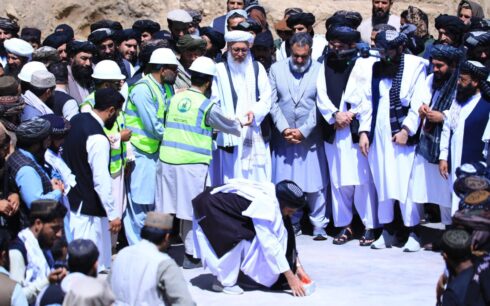
The approvals came during a meeting of the Taliban’s National Procurement Commission, led by Abdul Ghani Baradar, the Taliban’s deputy chief minister for economic affairs.
The approved and revised projects include construction of a dormitory at Panjshir University, a medical faculty building at Badakhshan University, and the completion of the first and second phases of a road linking Kunar and Nuristan provinces.
Plans also include the construction of public hospitals in Giro district in Ghazni province, Bandar in Faryab province and Spin Ghar in Nangarhar, as well as electricity transmission and distribution projects in several areas.
The statement said the projects would be funded by the Taliban administration’s internal budget.
Since returning to power in 2021, Taliban have faced significant challenges in implementing large-scale development projects, including limited financial resources, reduced international aid and sanctions as well as their own restrictions on women’s jobs at NGOs. Many projects have been delayed or stalled.
Taliban have said they aim to fund infrastructure projects through domestic revenues, but international organizations have raised concerns about transparency in procurement processes, budget oversight and institutional capacity.
Afghanistan’s economy remains fragile, with much of the population dependent on humanitarian assistance. Analysts say infrastructure projects could provide short-term employment but warn that long-term progress will depend on sustained funding and broader political and economic stability.