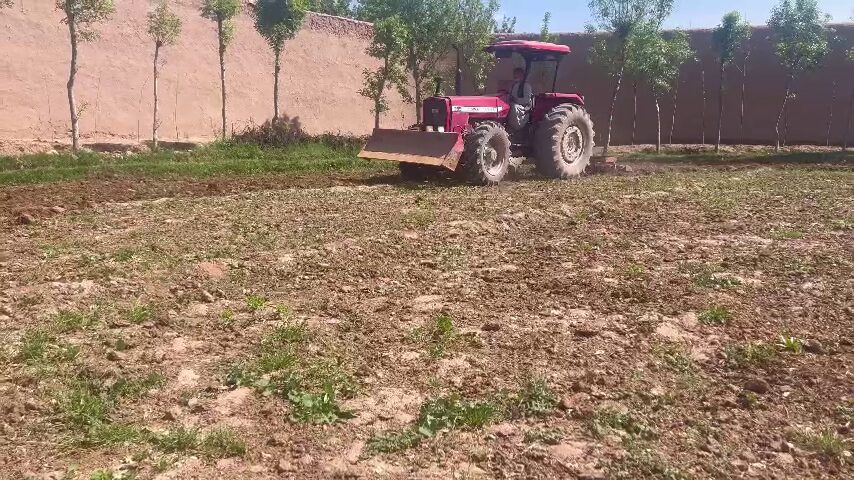
Farmers in western Afghanistan say a sharp rise in fuel prices is driving up agricultural costs and cutting into already limited earnings, adding pressure to rural livelihoods.
In Herat province, where many farmers rely on tractors to plow their land, the price of petrol has climbed to about 68 afghanis (roughly $0.95) per liter for regular fuel, according to local residents. That marks a significant increase from around 53 afghanis in recent months.
Abdul Hamid, a tractor owner, said he charges about 800 afghanis (around $11) per hour for plowing, but rising fuel costs have wiped out most of his income. “The price of petrol has gone up, and now what I earn only covers the cost of running the tractor,” he said.
Farmers say the increase has made it harder to prepare land for planting, particularly as crop prices remain low at harvest.
In Injil district of Herat, Abdul Karim, a farmer preparing to plant tomatoes, said the combined cost of fuel, fertilizer and labor had become difficult to manage. “You tell me how we are supposed to pay for everything,” he said. “Even for the tractor, it barely makes sense anymore because fuel prices keep changing.”
Another farmer, Abdul Sattar, said the rising cost of inputs has outpaced any income from agriculture. He noted that a sack of chemical fertilizer now costs about 8,000 afghanis (roughly $110), while plowing alone costs hundreds more. “Everything has become expensive,” he said.
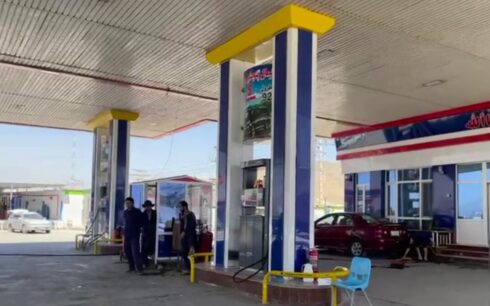
Fuel prices in Herat have increased across the board in recent days. Residents said premium petrol is selling for about 72 afghanis per liter, diesel for 74 afghanis and liquefied gas for around 56 afghanis per kilogram.
The rising costs come as Afghanistan’s economy continues to struggle, with farmers facing limited market access and declining purchasing power. For many, the combination of higher input costs and low returns is reducing incentives to continue farming.