A Pakistan-Afghanistan jirga bringing together tribal elders, political leaders and civil society representatives opened in Peshawar on Tuesday, with participants calling for a ceasefire and renewed dialogue after weeks of escalating cross-border violence.
The gathering, held at the Area Study Center of the University of Peshawar and organized by advocacy groups including ASPIRE and the Qaumi Islahi Tehreek, aims to develop recommendations to ease tensions between the two sides.
Speaking at the opening session, Arbab Shehzad, the chief organizer and head of ASPIRE, said the jirga would present proposals on how to end the conflict and reduce tensions along the border.
He said the prolonged violence had disproportionately affected communities in border areas, particularly Pashtun populations, and emphasized the need for public diplomacy to rebuild trust between the two sides.
Suhrab Ali, head of the Qaumi Islahi Tehreek and a co-organizer, said participants were committed to addressing extremism and promoting stability.
The meeting drew tribal elders, lawmakers, civil society members, journalists and business representatives from Khyber Pakhtunkhwa and adjoining areas.
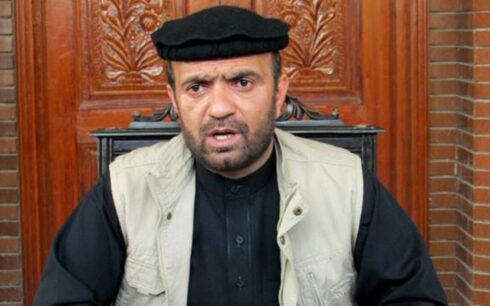
Former Khyber Pakhtunkhwa governor Shaukatullah Khan called for an immediate three-month ceasefire, saying it would allow jirga members time to pursue a negotiated settlement. He also criticized Pakistan’s refugee policy, saying Afghan refugees who had once been welcomed were now being forced to leave.
The jirga comes after nearly five weeks of intensified clashes along the Afghanistan-Pakistan border, including artillery exchanges and airstrikes that have caused civilian casualties, damaged infrastructure and displaced residents in several provinces.
Pakistan says the Taliban have harboured militant groups, including TTP, the Pakistani Taliban, which it says has carried out attacks inside Pakistan. Taliban have denied the allegations, insisting that Afghanistan’s territory is not being used against neighboring countries.
Recent fighting has included cross-border shelling and airstrikes by Pakistani forces inside Afghanistan. Taliban have said some strikes hit civilian sites, including a rehabilitation center in Kabul this month, drawing international concern. Pakistan has said its operations target militant infrastructure.
Although violence briefly subsided during a temporary ceasefire ahead of Eid al-Fitr, hostilities resumed shortly after the truce expired.
Organizers described the Peshawar jirga as an effort to create a platform for dialogue and confidence-building at a time when formal diplomatic engagement remains limited. Participants said the recommendations developed at the meeting would be shared with relevant authorities, though they are not binding.
They also called on Taliban to convene a similar forum on their side of the border to support de-escalation efforts.